
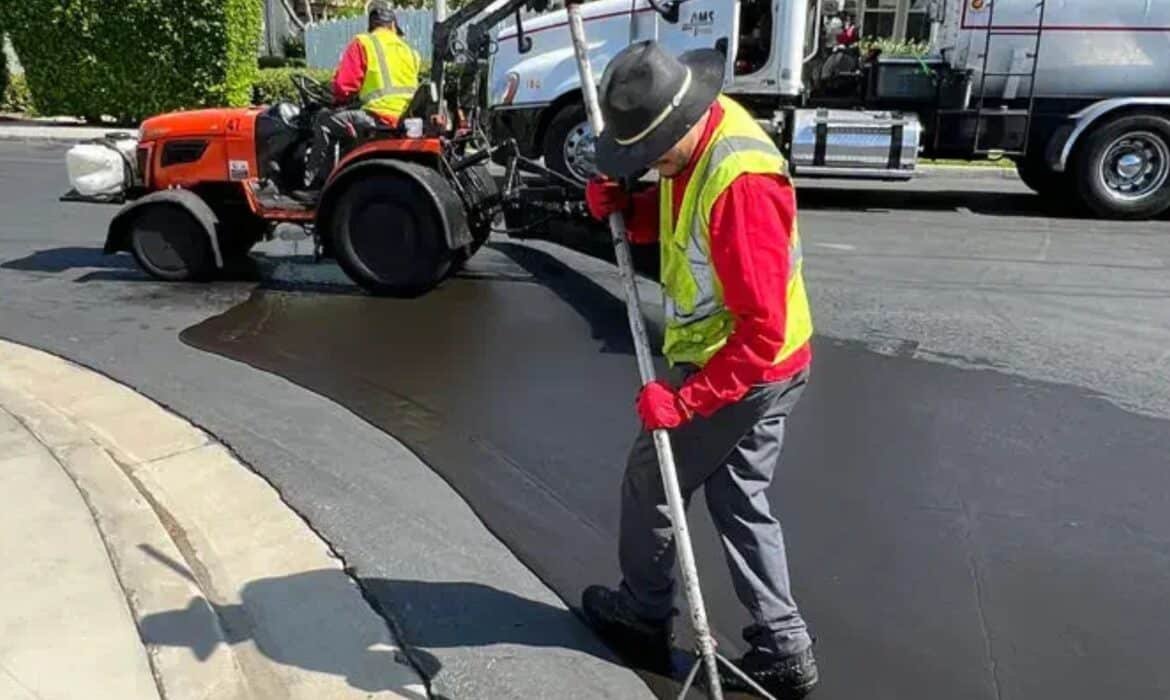
Driveways and parking lots are subjected to unending wear and tear due to traffic, weather, sunlight and chemicals. Over time, these factors can cause asphalt surfaces to fade, crack, and deteriorate. This is where sealcoating comes into the picture. The question many property owners ask themselves is whether sealcoating is a mere waste of money or an investment worth making. The response will be based on your objectives, financial capacity and the state of your pavement.
Sealcoating is in most instances a cheaper method of prolonging the life of asphalt surfaces and keeping them in shape. The knowledge of its advantages and disadvantages can guide you in making a decision whether it is the right option for your property.
What Is Sealcoating?
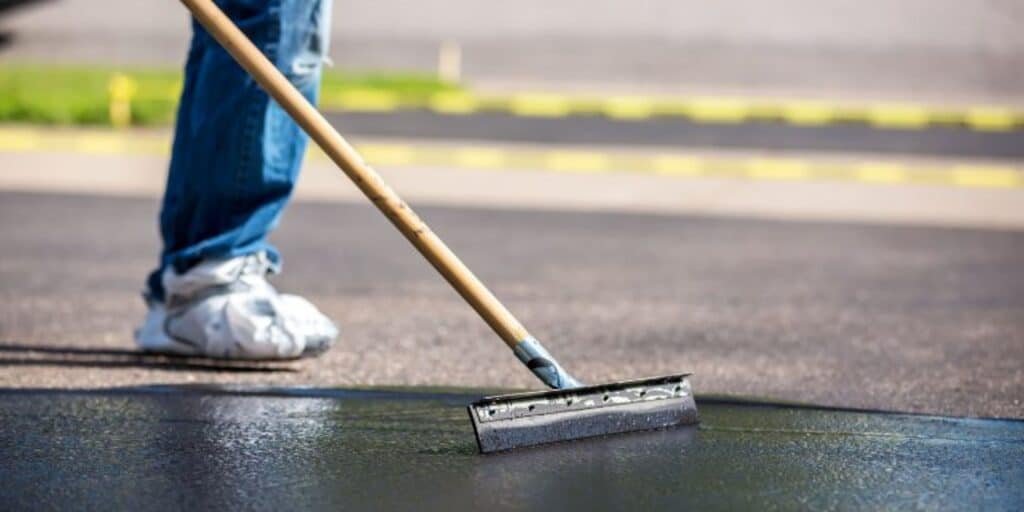
Sealcoating refers to the act of coating an asphalt surface with a protective coating. This coating serves as a protective layer that prevents the pavement against damaging factors like ultraviolet (UV) rays, water, oil, gasoline, and other chemicals.
Natural oils are found in fresh asphalt which make it flexible and durable. These oils eventually degrade over time as the pavement ages as a result of exposure to sunlight and environmental factors. Sealcoating can be used to slow this process by forming a protective layer that minimizes damage and maintains the asphalt beneath.
The outcome is a smoother and darker surface which appears newer and is also resistant to early wear and tear.
The Main Benefits of Sealcoating
Among the largest reasons why property owners opt to sealcoat their property is the protection of asphalt. One of the most common causes of deterioration of pavements is water. Water in small cracks may cause foundation to be weak and lead to bigger structural problems in the long run.
Sealcoating is also beneficial in preventing oxidation due to sunlight. Asphalt is dried out by UV rays and becomes brittle and easily cracks. Sealcoating prevents the pavement by blocking these harmful rays hence preserving the flexibility of the pavement.
Another significant advantage is that it is resistant to oil and chemical spills. Parking lots and driveways frequently receive spillage of vehicle fluids, which may weaken asphalt and hasten its deterioration. A sealed surface offers an extra protection against these substances.
Besides protection, sealcoating also enhances curb appeal. The black finish is rich and gives a clean and well-maintained look to the place that adds beauty to the entire residential and commercial buildings.
How Sealcoating Can Save Money
Most individuals concentrate on the initial price of sealcoating and do not think of the savings in the long run. Replacement of asphalt is very expensive and sealcoating is not very costly.
Sealcoating can also help minimize the number of repairs required by preventing surface damage. When the pavement is well maintained, small cracks and other minor problems are less likely to become major problems.
Sealcoating can also be done regularly to increase the life of asphalt by a few years. Rather than incurring the expenses of rebuilding or replacing their pavements earlier than anticipated, property owners would be able to get the most out of their current pavements.
Sealcoating can be a smart financial investment when considered as a component of a preventive maintenance plan.
When Sealcoating May Not Be Worth It
Despite the numerous benefits of sealcoating, it is not applicable in all cases. Extensively damaged asphalt containing large cracks, potholes, or structural issues might need to be repaired before sealcoating can be effective.
Sealcoating will not correct the underlying problems. In such situations, it can be more fruitful to invest money in repairs or resurfacing than just apply some protective coating.
New asphalt can also be sealed. New pavements are often required to dry before a sealcoat is applied. Its premature application may disrupt the process of natural hardening.
Owners of the property are advised to examine the state of their asphalt and seek the advice of a paving expert in cases where there is serious damage.
How Often Should Asphalt Be Sealcoated?
Optimum sealcoating time is based on the weather, the traffic, and the pavement. The majority of professionals suggest sealcoating after every two to three years to ensure maximum protection.
Light vehicle traffic driveways can possibly last longer between applications, whereas commercial parking lots with heavy traffic might need more frequent maintenance. Frequent checks can be used to detect indications that the protective layer is becoming thin.
Signs that it might be time to sealcoat include fading color, surface roughness, small cracks and higher water absorption. These problems can be resolved at an early stage to avoid greater losses in the future.
The most important thing to realize about sealcoating is that it is usually best to maintain it regularly.
Comparing Sealcoating to Other Asphalt Maintenance Methods
Sealcoating is not the only aspect of a full asphalt maintenance plan. Crack filling, patching, and resurfacing have various purposes.
Crack filling fills the cracks that are present and prevents water infiltration. Patching is used to repair localized damages. Resurfacing is the process of applying a new layer of asphalt on an old surface.
Sealcoating is, however, more of a preventive measure. It helps to preserve healthy asphalt and postpone more costly repairs. Sealcoating can help a lot in enhancing the performance of pavements when it is used with routine crack repairs and inspections.
Sealcoating is not a substitute to other maintenance procedures, but should be used in a holistic approach to pavement maintenance.