
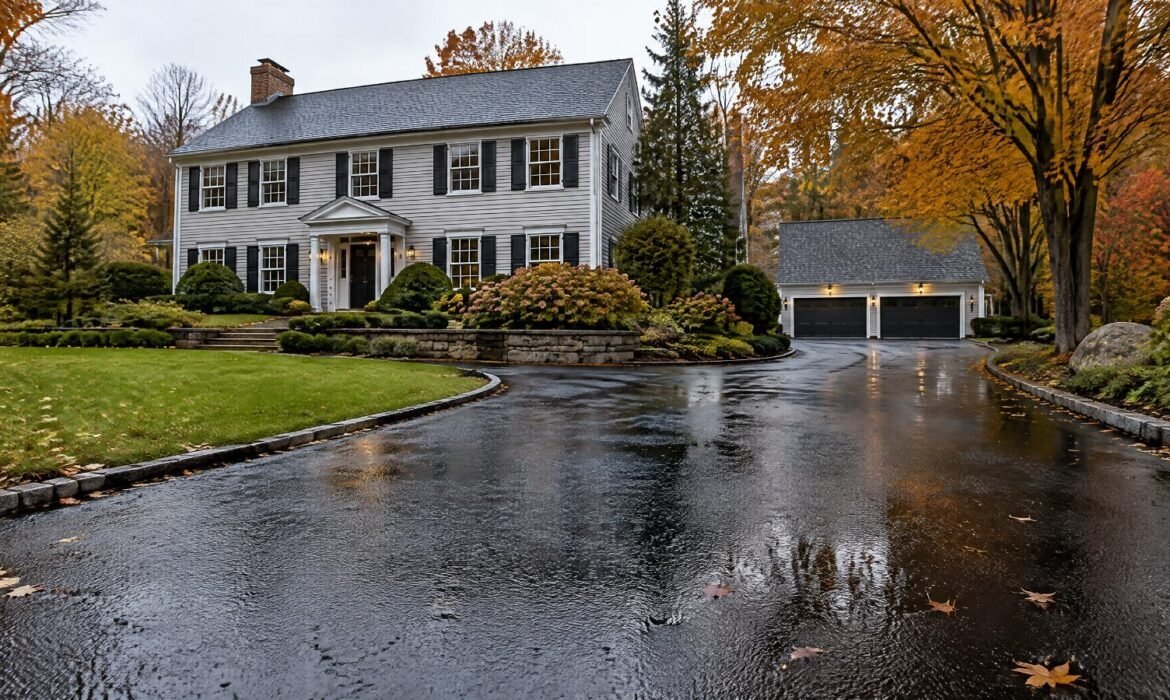
Asphalt pavement is a popular choice for driveways, parking lots, roads, and commercial properties because of its durability, affordability, and smooth appearance. However, constant exposure to changing weather conditions can gradually weaken its surface. Rain, snow, ice, extreme heat, and UV rays can all contribute to asphalt deterioration. Without proper maintenance, these elements may cause cracks, fading, potholes, and other costly pavement problems.
One effective way to protect asphalt surfaces is through asphalt sealcoating. This preventive maintenance treatment creates a protective layer over existing pavement, helping reduce the impact of environmental conditions. But can asphalt sealcoating really prevent weather-related pavement damage? The answer is yes, to a significant extent. Although it cannot eliminate every type of damage, regular sealcoating can extend pavement life, improve its appearance, and reduce long-term maintenance costs.
Understanding Asphalt Sealcoating and Its Purpose
Asphalt sealcoating refers to the process of coating the surface of existing asphalt pavement with a protective liquid coating. The coating creates a barrier when it is applied and properly cured, which helps to keep the asphalt binder out of the environment and daily wear.
Asphalt is a mixture of aggregates that are bonded by a petroleum-based binder. This binder may be weakened over time due to sunshine, water, temperature variations, and traffic. The more it is damaged, the more brittle the pavement is and the more it is exposed to cracking and surface damage.
Sealcoating can be used to reduce this degradation by shielding the pavement against damaging external factors. It also replenishes the dark and beautiful look of asphalt, which makes driveways and parking lots look cleaner and more well-maintained.
However, sealcoating is a preventive maintenance solution, not a structural repair method. Existing potholes, deep cracks, and significant pavement damage must be repaired before applying the coating.
How Sealcoating Protects Asphalt From Rain and Moisture
One of the largest threats to asphalt pavement is water. The rainwater may seep into small cracks, surface holes, and weak spots and eventually reach the underlying layers of the pavement. The presence of moisture under the surface may cause the base to be weakened and decrease the capacity of the pavement to carry the weight of vehicles.
Asphalt sealcoating can be used to minimize this risk by providing a protective surface coating which restricts the amount of water that can enter the pavement by penetrating through the exposed surface. Sealcoating can reduce the development of minor surface deterioration to more serious problems by reducing moisture exposure.
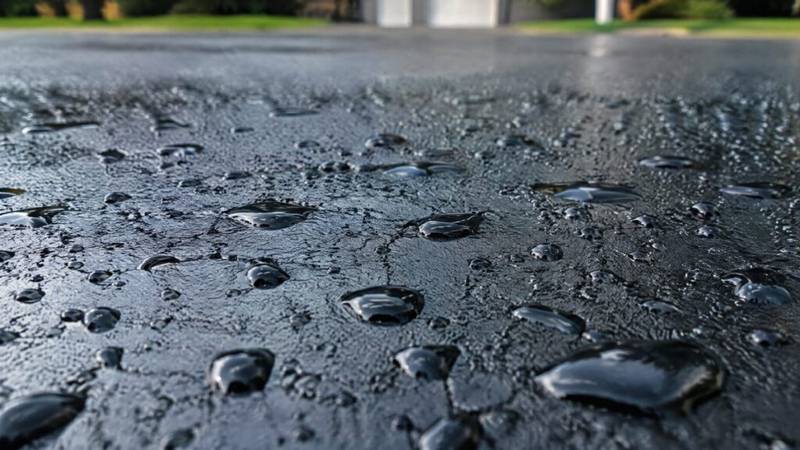
Proper drainage is equally important. Even sealed asphalt can experience damage if water collects in low spots or remains around pavement edges. Property owners should address drainage issues and repair existing cracks before applying sealcoating.
When combined with routine inspections and proper drainage, sealcoating provides valuable protection against moisture-related pavement deterioration.
Protection Against Sunlight, UV Rays, and Extreme Heat
Excessive exposure to ultraviolet (UV) radiation can cause gradual damage to asphalt pavement. The UV rays also help to oxidize the asphalt binder making it lose its flexibility, making it harder and brittle.
The pavement can also experience surface cracks, lose its natural dark color, and become more susceptible to daily traffic pressure, as the binder wears out.
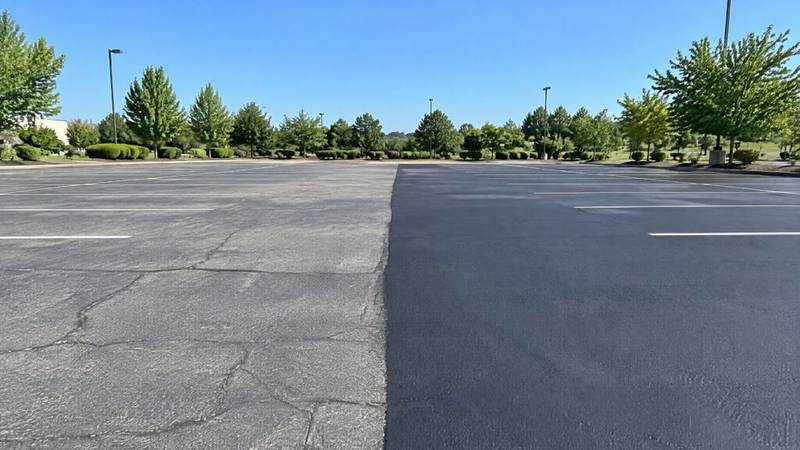
Asphalt sealcoating is used to protect the pavement by minimizing the direct exposure of the underlying asphalt binder to sunlight and other environmental factors. It also replenishes the dark black look of worn-out pavement.
Additional challenges may be caused by extreme heat. In hot weather, asphalt may become soft especially when the pavement has been poorly laid or when it is subjected to heavy traffic. Sealcoating will not eliminate all the heat-related issues, but it will assist in maintaining the surface and will assist in a successful preventive maintenance program.
In places with high temperatures and extensive sunlight, frequent asphalt repairs can significantly contribute to the lifespan of pavements.
Reducing Damage From Cold Weather, Snow, and Freeze-Thaw Cycles
Cold weather creates another set of challenges for asphalt pavement. In regions where temperatures regularly fall below freezing, water can enter existing cracks and expand when it freezes.
This freezing and thawing strains the pavement, slowly expanding the cracks and providing chances of more severe damages. With time, the cracks that are not taken care of may lead to potholes and wear and tear.
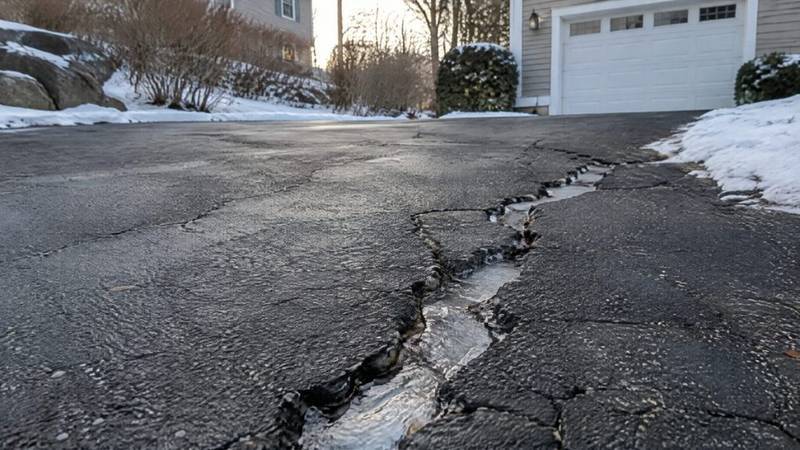
Asphalt sealcoating can be used to minimize the entry of moisture into the surface via small surface cracks, which is one of the causes of freeze-thaw damage. It is also used to maintain the pavement surface against environmental exposure.
Nevertheless, sealcoating will not be sufficient to avoid freeze-thaw damage when water gets in via untreated cracks, pavement edges, or underlying drainage issues.
Prior to the winter season, property owners are advised to check asphalt surfaces, fill the right cracks, repair damaged ones, and provide proper drainage. Sealcoating in appropriate weather conditions may be used to offer an extra preventive measure.
When Should You Sealcoat Asphalt Pavement?
Timing plays an important role in achieving the best results from asphalt sealcoating. Applying the coating under unsuitable weather conditions can affect its ability to bond, dry, and cure properly.
Generally, sealcoating of asphalt must be done in warm and dry weather. Most contractors are fond of temperatures at least 50 F and the appropriate conditions are likely to be observed during the application and curing process. The manufacturers of the products can suggest various temperature and weather conditions, and hence professional advice is essential.
For most residential and commercial properties, sealcoating every two to three years is a common maintenance guideline.
However, the ideal schedule depends on several factors:
- Traffic volume: Parking lots and driveways that have high traffic of vehicles can have a higher rate of surface deterioration.
- Pavement condition: Older asphalt might require repair prior to another sealcoating.
- Previous maintenance: Properly maintained pavement may retain its protective qualities longer.
Additional Benefits of Regular Asphalt Sealcoating
- Extends Pavement Lifespan: By reducing exposure to sunlight, moisture, and other damaging elements, sealcoating helps slow asphalt deterioration. This can delay the need for expensive resurfacing or replacement.
- Improves Curb Appeal: A new sealcoat makes the pavement look deep black, and makes driveways, parking lots, and commercial properties look cleaner and more professional.
- Minimizes Maintenance Costs: Preventive maintenance is typically cheaper than significant pavement maintenance. Early intervention in dealing with surface deterioration can assist property owners to prevent expensive damages.
- Supports Overall Pavement Maintenance: Sealcoating works best when combined with crack filling, pothole repairs, regular cleaning, and proper drainage management.