
A driveway is an important part of any property, but it can also contribute to drainage problems if it does not allow rainwater to flow naturally into the ground. Traditional driveway materials, such as concrete and asphalt, create hard, non-porous surfaces that prevent water from soaking into the soil. As a result, rainwater collects on the surface, creates puddles, and increases runoff around the property. Over time, poor drainage can lead to soil erosion, water damage, and other costly problems.
A permeable driveway surface offers a practical solution by allowing rainwater to pass through the material and enter the ground below. Instead of directing all the water toward drains or nearby areas, this driveway system helps manage rainfall naturally. It improves drainage, reduces standing water, and supports better stormwater management. Understanding how permeable driveway surfaces work can help homeowners make informed decisions about improving their outdoor spaces.
What Is a Permeable Driveway Surface?
A permeable driveway is created in such a way that it lets the water flow through its surface instead of accumulating on the surface or running off. It is not a solid driveway like the traditional one but incorporates porous materials or specially created gaps that allow rainwater to pass through a layer of crushed stone or gravel below.
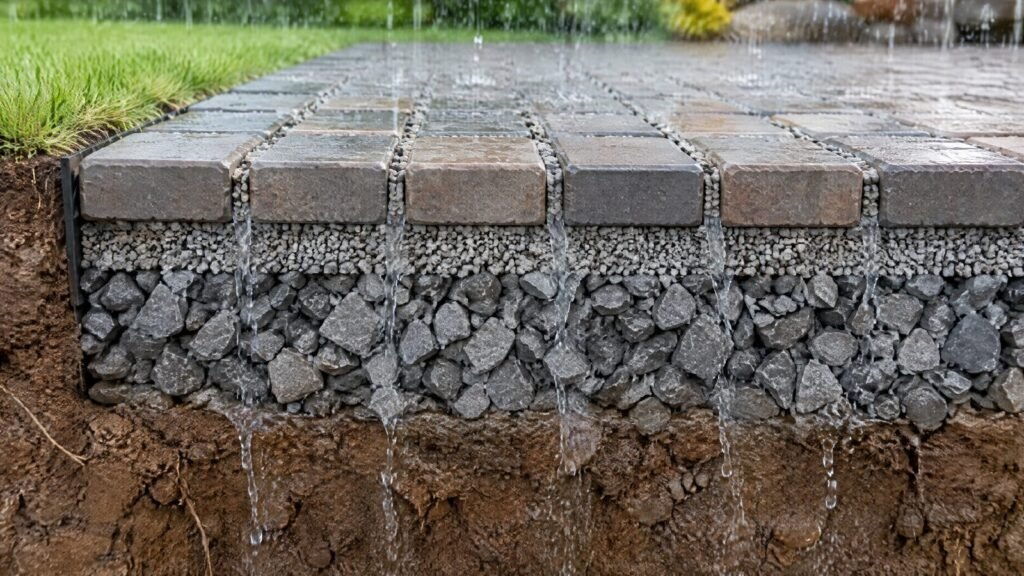
This underground base is a temporary storage of the water and it is left to seep into the surrounding soil. Some systems may also channel excess water to the appropriate drainage systems depending on the design.
The most common permeable driveway materials are:
- Permeable pavers: Paving blocks that are specially designed to have spaces between them, which allow water to pass through.
- Porous asphalt: This is a form of asphalt that has spaces between the asphalt that allow rainwater to pass through.
- Permeable concrete: Concrete that is produced using fewer fine particles and therefore allowing water to enter the concrete.
- Gravel driveways: Loose stones that naturally permit rainwater to flow through the spaces and into the ground.
Each material offers different benefits in terms of appearance, durability, maintenance, and drainage performance.
How Does a Permeable Driveway Improve Drainage?
The main purpose of a permeable driveway is to control rainwater at the point of fall. It minimizes surface run off by enabling water to flow through the driveway to the ground. The following are the key ways in which this system enhances drainage.
1. Allows Rainwater to Soak Into the Ground
Absorbing rainwater is one of the greatest benefits of a permeable driveway. Concrete and asphalt surfaces that are used traditionally do not allow water to enter the soil, and it flows to lower areas.
A porous driveway has small holes or interconnected holes that allow rainwater to enter. When the water gets to the gravel bottom, it is momentarily held and then slowly seeps into the soil.
This process is used to sustain the natural water cycle and minimizes the water flowing over your property.
2. Reduces Standing Water and Puddles
One of the challenges associated with traditional driveways is that standing water, especially when the surface contains uneven areas or lacks enough slope. Puddles may render walking and parking unpleasant and expose people to the danger of slippery conditions.
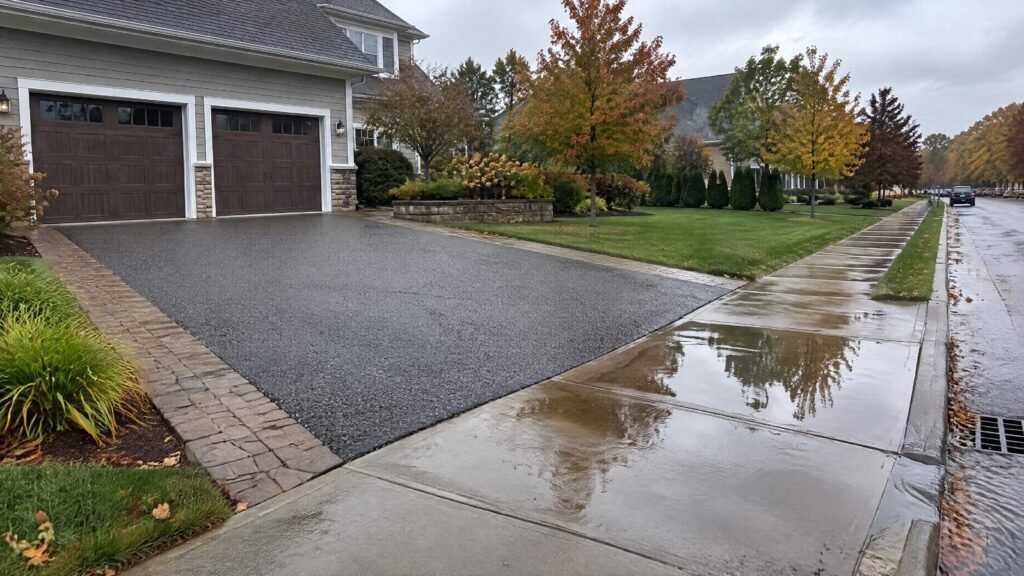
Porous driveway surfaces enable the rainwater to pass through the surface rather than accumulating in low areas. This assists in maintaining the driveway drier and more viable even after it has rained.
The surface water is also lessened by permeable paving, which prevents mud, algae growth, and water-related damage around the driveway.
3. Controls Stormwater Runoff
Heavy rainfall can produce large amounts of surface runoff, especially in residential areas with concrete driveways, patios, and walkways. When water cannot enter the ground, it flows toward storm drains, roads, and neighboring properties.
One way to control this issue is to have a permeable driveway that collects rain and lets it seep into the ground. Its rocky bottom serves as a temporary storage space, decreasing the flow of water.
This will alleviate pressure on the local drainage systems and will minimize chances of flooding during heavy rain.
4. Supports Groundwater Recharge
When rainwater flows directly into storm drains, less water is available to replenish underground water supplies. Permeable driveways help address this issue by allowing rainfall to return to the soil naturally.
As water moves through the driveway and its stone foundation, it can gradually replenish groundwater, depending on local soil conditions and groundwater levels.
This makes permeable paving a useful option for homeowners who want to improve water management while supporting more sustainable landscaping practices.
Additional Benefits of Permeable Driveway Surfaces
Better drainage is the primary advantage, but permeable driveways offer several other benefits that make them an attractive choice for residential properties.
- Reduces soil erosion: Permeable driveways minimize the volume of water that erodes the soil around the driveway.
- Preserves landscaping: With improved water management, there can be no overrun of water into flower beds, lawns and garden areas.
- Enhances safety: There are fewer puddles, which translates to less standing water, thus making the driveway easier to walk and drive on.
- Supports sustainable construction: Permeable materials help manage rainwater naturally and can reduce the environmental impact of conventional paving, much like choosing an eco-friendly recycled asphalt driveway.
- Enhances property appearance: Options such as permeable pavers are available in different colors, shapes, and patterns, allowing homeowners to create attractive outdoor spaces.
These benefits make permeable driveways a practical combination of functionality, appearance, and environmental responsibility.
What Factors Affect Permeable Driveway Drainage Performance?
Although permeable driveways provide excellent drainage benefits, their performance depends on several important factors.
- Soil Type: Soil contributes significantly to the rate of drainage of water. Sandy soil is usually more permeable and clay-heavy soil is slower in absorbing water. Professional soil evaluation may be used to identify the need for extra drainage.
- Correct Installation: A permeable driveway must have a properly prepared foundation. The gravel base depth, the type of materials used, and the general design should be able to accommodate the drainage needs of the property. The installation may be poor, which may decrease the water infiltration and lead to drainage issues.
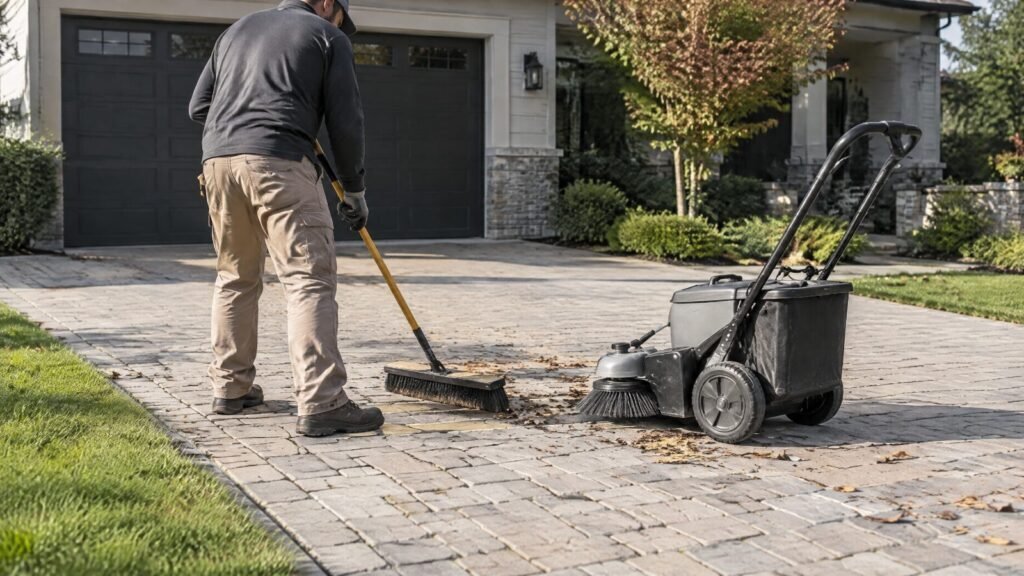
- Regular Cleaning and Maintenance: Dirt, leaves, sand, and other debris can gradually block the openings in permeable materials. Regular sweeping and occasional vacuum cleaning help maintain the surface’s drainage capacity.