
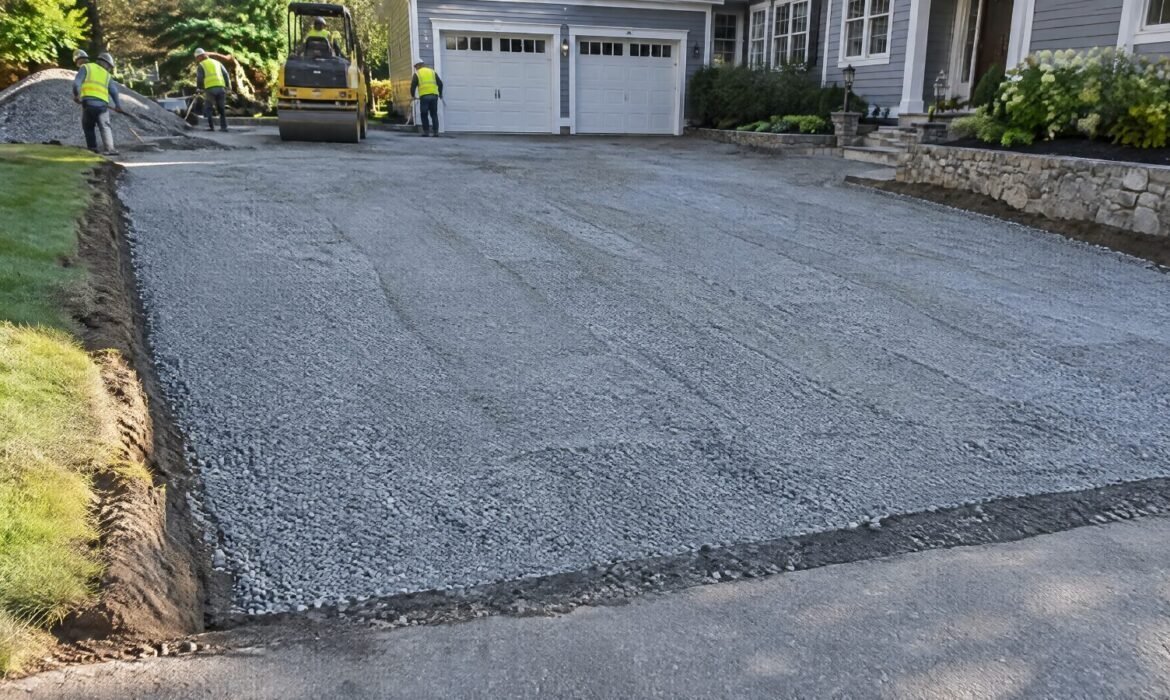
Asphalt paving is a popular choice for driveways, parking lots, roads, and commercial properties because of its durability, smooth finish, and cost-effectiveness. However, the quality of an asphalt surface depends on much more than the asphalt material itself. One of the most important factors behind a strong and long-lasting pavement is proper ground preparation.
Ground preparation is the foundation of every successful asphalt paving project. It involves clearing the area, evaluating soil conditions, grading the surface, improving drainage, and creating a stable base before asphalt is installed. Skipping or rushing these steps can lead to cracks, potholes, water damage, and premature pavement failure.
Whether you are planning a residential driveway or a large commercial parking lot, understanding the importance of ground preparation can help you protect your investment. Here are six important reasons why proper ground preparation matters before asphalt paving.
1. Creates a Strong and Stable Foundation
A strong foundation is essential for long-lasting asphalt pavement. Asphalt will not be able to sustain its strength and shape when the ground beneath it is weak, loose or uneven. The base and the soil should be well prepared to carry the weight of vehicles, equipment and daily traffic.
In the ground preparation, the contractors excavate unsuitable soil, loose materials, vegetation, and debris. They can also incorporate appropriate aggregate materials to form a concrete base. These materials are evenly distributed and compacted to give the necessary stability.
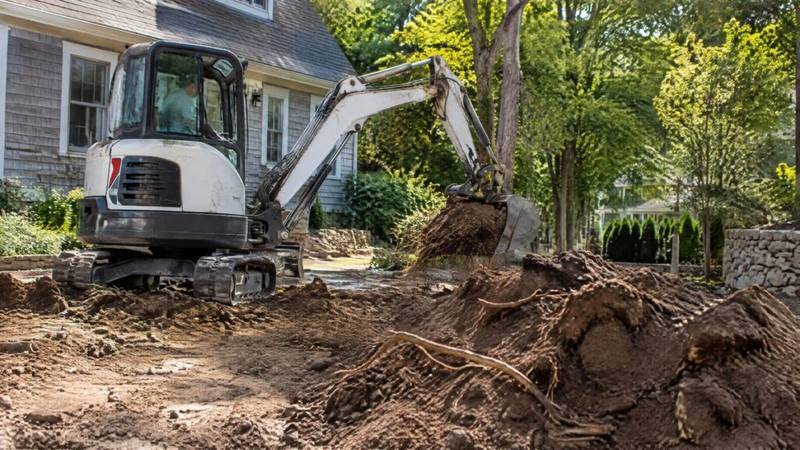
Compaction is done properly to avoid the air gaps and the ground not to move under pressure. Asphalt may be subject to cracks, depressions, and irregularities with time without a stable base.
A properly prepared base spreads the weight more evenly over the pavement and assists the asphalt surface to sustain its strength and structural integrity. This is particularly critical in commercial parking lots and roads where there is a lot of traffic and heavy vehicles.
2. Prevents Cracks, Potholes, and Surface Damage
The most prevalent issues with asphalt pavement are cracks and potholes. Poor ground preparation is another significant cause of pavement damage, despite the fact that weather conditions, traffic and aging are also causes.
Unless the soil under asphalt is compacted, it may move or settle after paving. This movement causes stress in the asphalt layer which ultimately leads to cracks and surface depressions. These openings can be filled with water, which exacerbates the damage.
The correct preparation of the ground can be used to avoid these issues by providing a stable and homogeneous surface prior to the installation of asphalt. Contractors check the soil conditions, excavate weak spots, and also compact the base to minimize chances of future movement.
This process aids asphalt to resist normal traffic and weather variations. By preventing the possible foundation issues at the initial stages, property owners will be able to minimize the number of repairs and increase the lifespan of their pavement.
3. Improves Drainage and Prevents Water Damage
One of the largest threats to asphalt pavement is water. Rainwater that accumulates on the surface or seeps under the pavement may cause the foundation to become weak and slowly erode the asphalt.
Standing water, erosion, cracks, and potholes are common results of poor drainage. Frozen and expanding trapped moisture in colder climates may also cause more pressure in the pavement structure.
Preparation of the ground is significant in averting such problems. Contractors grade the area before paving to achieve the right slope. This enables the rainwater to run off the paved surface rather than accumulating in low areas.
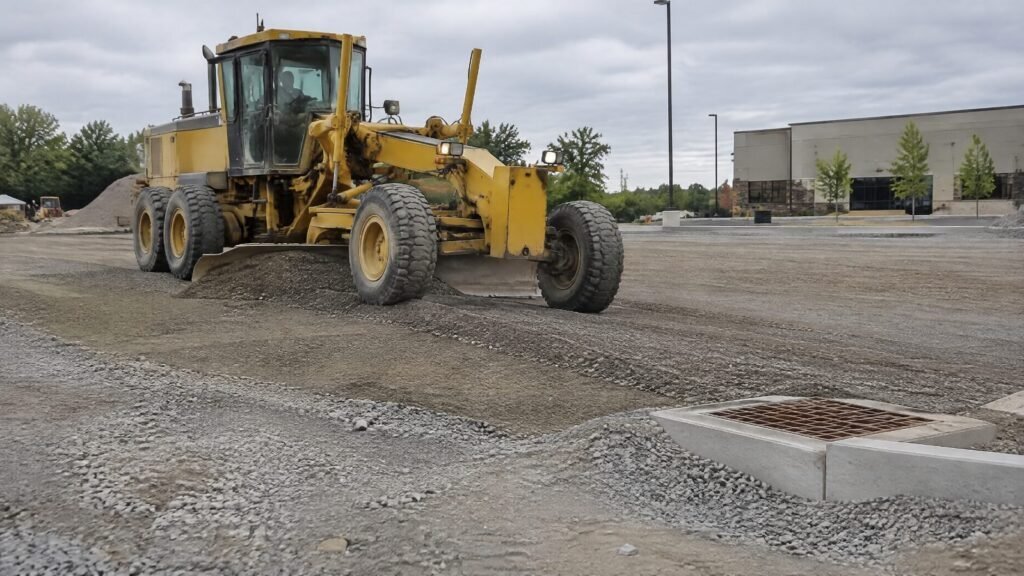
They can also install drainage, which can be in the form of catch basins, drainage pipes or other water management systems depending on the needs of the property.
Adequate drainage will ensure that the underlying materials are not inundated with moisture and that the pavement is stable. It also minimizes the chances of damage caused by water, thus making the asphalt surface safer and resistant.
4. Ensures Proper Compaction and Even Asphalt Thickness
Compaction is an important aspect of ground preparation as it assists in developing a thick and solid base. Unless the underlying soil or aggregate materials are compacted properly, the pavement can end up being unevenly settled after installation.
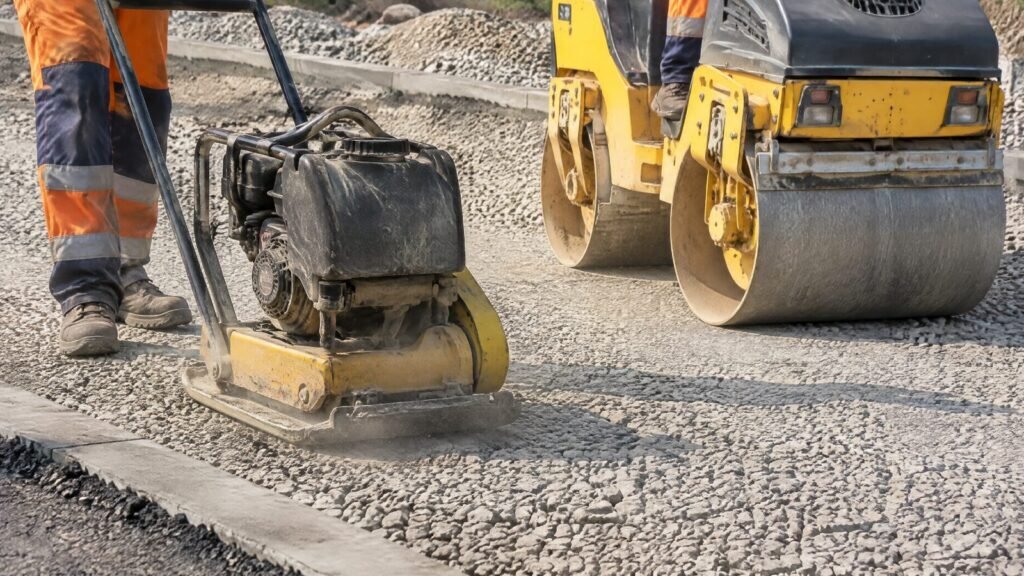
Settlement imbalance may impact on the thickness and structural performance of the asphalt. Certain parts might be thinner than desired, and thus they can be easily cracked, rutted, and subjected to heavy traffic.
Professional paving contractors have the right compaction equipment to prepare the ground as per the project requirements. They compress the soil and layers to attain the necessary density and stability.
The correct grading also makes it possible to install the asphalt at a uniform thickness throughout the area. The appropriate thickness is crucial in allocating the vehicle loads and avoiding premature wear.
Once the compaction and grading process is done properly, the resulting asphalt layer is more homogeneous, stable, and able to withstand normal usage.
5. Increases the Lifespan of Asphalt Pavement
Asphalt is an expensive investment to install by both homeowners and commercial property owners. Of course, we all desire our pavement to last as long as possible without having to spend a lot of money on its maintenance or replacement.
The correct preparation of the ground also leads to the long life of pavements. The asphalt layer is supported on a well-prepared foundation, minimizes movements, enhances drainage, and minimizes chances of structural damage.
Issues may manifest themselves much earlier than anticipated when contractors overlook some of the key preparation procedures. The best asphalt cannot be used to cover a poor or improperly constructed foundation.
Conversely, a proper excavation, grading, soil stabilization, and compaction will assist the pavement to resist traffic loads and environmental stress.
It still needs regular maintenance, but a well-prepared foundation provides asphalt with a greater opportunity to work over a long period of time. This renders ground preparation a valuable long-term investment into the performance of any paving project.
6. Reduces Long-Term Maintenance and Repair Costs
A lot of property owners are more concerned with the initial price of asphalt paving. Nevertheless, the lowest cost of installation is not necessarily the best deal.
The lack of ground preparation may cause repeated issues that will need constant repairs. There could be cracks, potholes, drainage problems and sinking areas which could lead to extra costs shortly after installation.
In certain cases, it is not sufficient to repair the surface. Before installing a new pavement layer, contractors might have to strip away the damaged asphalt and reconstruct the underlying base.
Adequate ground preparation can reduce such unforeseen costs by eliminating the possible problems prior to paving. It might raise the initial project cost a bit, but can save a lot of maintenance costs in the future.
Proper preparation also helps contractors achieve a cleaner, more professional finish. This is particularly important for commercial properties, where parking lot appearance can influence visitors’ first impressions.
A smooth and well-maintained asphalt surface improves accessibility, supports safer vehicle movement, and enhances the overall appearance of the property.