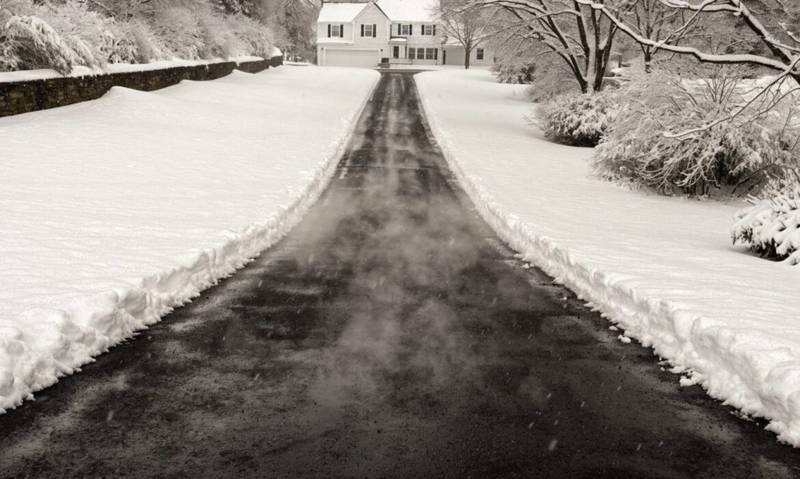
If you’ve ever had to chip ice off your driveway before heading off to work in Hartford or Fairfield County in January, you’ve likely considered a heated driveway. The driveway is self-melting from the bottom, eliminating the need for shoveling or plowing and salt application.
Don’t get excited just yet: you need a realistic budget. There is a wide range of prices, and Connecticut’s electricity costs affect the cost of running the system. This guide will explain what you will pay up front, what you will pay each winter and how to keep the total in check.
The Short Answer: What the Average Homeowner Pays
The average cost of most heated driveways in the nation is $12–$23 per square foot, and the average size of a 2-car driveway is 324–480 square feet. LawnStarter puts the national average at $6,000, with most heated driveways costing $3,600–$11,750.
Other sources are higher. According to Angi’s 2026 data, the per-square-foot cost of a heated driveway ranges from $12 to $25, while the low end of the cost is $1,600 and the high end is $25,000.
Angi’s breakdown by driveway size is as follows:
- 12 x 24 ft (single car): $3,400–$7,500
- 24 x 24 ft (standard two-car): $7,000–$16,000
- 36 x 24 ft (three-car or extended): $10,000–$24,000
In Connecticut, you can expect to land in the middle or upper end of these ranges. The Northeast is more expensive than the rest of the country, and many CT properties have long sloped driveways that require additional cable or tubing.
The Largest Cost Decision Is Electric vs. Hydronic
The type of heating system you select will impact the installation cost and your winter bills.
Electric Radiant Systems
Heating cables or mats are installed beneath the surface of the driveway and are used in electric systems. They are easier to install and require virtually no maintenance. According to WarmlyYours, electric cables can withstand temperatures as high as 450°F, which makes them the only option for asphalt driveways. This is important because hot asphalt is applied at temperatures that would damage hydronic tubing.
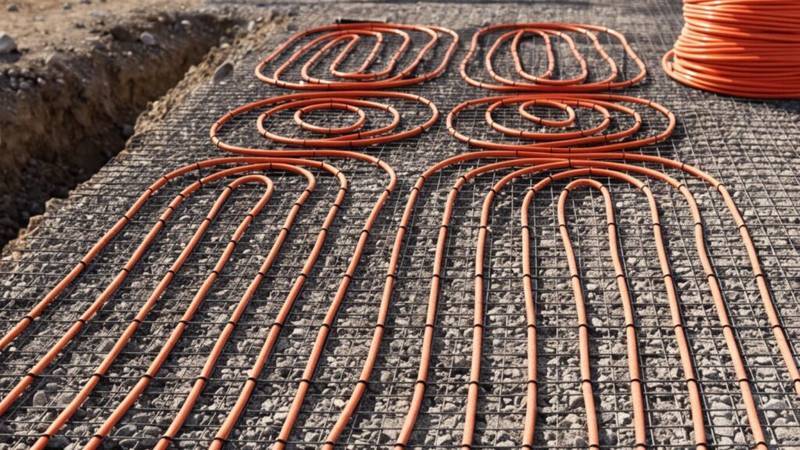
Electric systems are also fast acting. The electric cables heat up almost immediately and the system is ahead of the storm. Hydronic systems can take hours to get up to operating temperature.
Hydronic Systems
Hydronic systems circulate a hot water/glycol solution through tubing beneath the slab. The heat is provided by a boiler. According to This Old House, hydronic systems can cost 30 to 50 percent more than electric systems, due to the additional equipment (boiler, pumps, etc.) required.
The benefit you receive is reduced operating expenses, particularly if you already have natural gas in your home. The compromise is maintenance: a hydronic system requires annual boiler maintenance, whereas an electric system has no moving parts.
Electric is typically a good choice for a typical one or two-car driveway for CT homeowners. Hydronic is worth considering for large estate driveways (1,000+ sq ft), particularly if gas service is available.
What It Costs to Run a Heated Driveway in Connecticut
This is an aspect that most national guides ignore, and it is significant here more than anywhere else in the country.
In August 2026, Connecticut residents paid an average of 24.51¢ per kWh (EIA), which is 35% higher than the US average of 18.16¢.
A typical electric snow-melt system draws about 50 watts per square foot. The math for a 500 sq ft driveway is as follows:
- 500 sq ft × 50 watts = 25,000 watts (25 kW)
- 25 kW × $0.245/kWh ≈ $6.10 per hour
- A 6-hour storm plus a 3-hour after-run ≈ $55 per storm
That’s in line with a real Connecticut project. According to WarmlyYours, a Bridgeport homeowner who has a 1,195 sq ft heated driveway pays approximately $16.83/hour, or $58.29 (plus 3-hr after-run) for a typical 6-hour storm.
Hydronic systems are typically less expensive to operate. Watts Heatway, a hydronic supplier, estimates annual operating costs range from 12 to 25 cents per square foot. So on average, it would cost $120 to $250 each winter to melt snow off a 1,000-square-foot driveway.
Hidden Costs CT Homeowners Should Plan For
When you are quoted an installation price, there are several items that are not included:
- Removal of the old driveway. Driveway removal costs homeowners an extra $1–$2 per square foot.
- Electrical panel upgrades. A complete electric system consumes a considerable amount of electricity. If you have an older home in Connecticut that has 100 amp service, you may need to upgrade the panel or service first.
- Retrofitting. If you want to keep your current driveway, retrofitting a heating system into an existing driveway may add between $7 and $17 per square foot to the cost.
- Permits and inspections. An electrical permit is required in most CT towns, and some towns may require a zoning or driveway permit. Check with your local building department.
- Drainage work. Where does the melted snow go? If the drainage is not adequate, ice can form around the edges of the driveway.
Smart Ways to Lower Your Cost
Not all square footage needs to be heated. Here are some practical ways to save:
- Install during a repave or replacement. According to WarmlyYours, the best time to install a heated driveway is when the driveway is being poured, repaved or replaced.
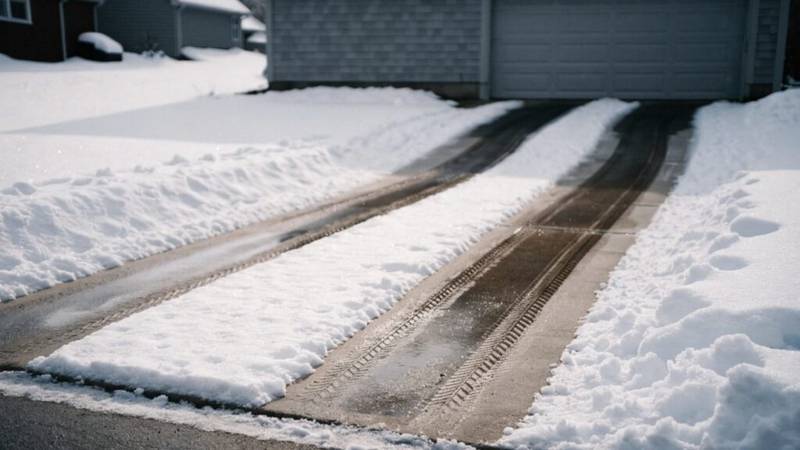
- Only heat the tire tracks. Two heated strips where the wheels travel can reduce installation and operating costs by about 50%.
- Use automatic sensors. Snow and moisture sensors activate the system only when it is required, preventing it from operating during a dry cold snap.
- Compare electricity suppliers. The electricity market is deregulated in Connecticut, which means you can change your electricity supplier to get a lower rate per kWh.
- Obtain at least three estimates. Prices from CT contractors can differ by thousands of dollars for the same job.
Is a Heated Driveway Worth It in Connecticut?
This depends on the circumstances. A heated driveway may be worth the investment if you:
- Have a steep or long driveway that’s hard to plow.
- Have older family members or others with limited mobility at home.
- Are paying for seasonal plowing and are fed up with waiting for the truck.
- Don’t want to damage concrete, pavers and car undercarriages with salt.
For comparison, WarmlyYours notes that a homeowner who pays $600 per season will spend $6,000 on plowing services over 10 years. Throw in the expense of salt, the time and the danger of a slip and fall, and the payback seems more reasonable for many CT households.
Frequently Asked Questions
1. Is it possible to install a heated driveway over my current driveway?
Yes, but it will be more expensive and require an electric system. Cables can be cut into grooves in existing concrete or installed under a new asphalt overlay. A brand new driveway is usually required for hydronic systems.
2. Can a heated driveway withstand a Connecticut nor’easter?
A well-designed system can handle heavy snowfall, particularly if it is programmed to activate automatically before the snow begins to fall. In severe storms it can melt snow slower than it falls, but it will still clear the driveway quicker than shoveling.
3. How long do heated driveway systems last?
Concrete-encased electric cables typically have a lifespan of 20 years or more and typically outlast the driveway surface. Hydronic tubing lasts a similar amount of time, but the boiler may need replacing sooner.
4. Will a heated driveway increase my home’s value?
It can help sell your home in snow country markets such as Litchfield County and northern Connecticut. But when you sell, you’re not likely to recoup the entire installation fee.
5. Is a licensed contractor in CT required?
Yes. All electrical work in Connecticut must be performed by a licensed electrician and most towns require permits. Select installers with experience in snow-melt systems.