
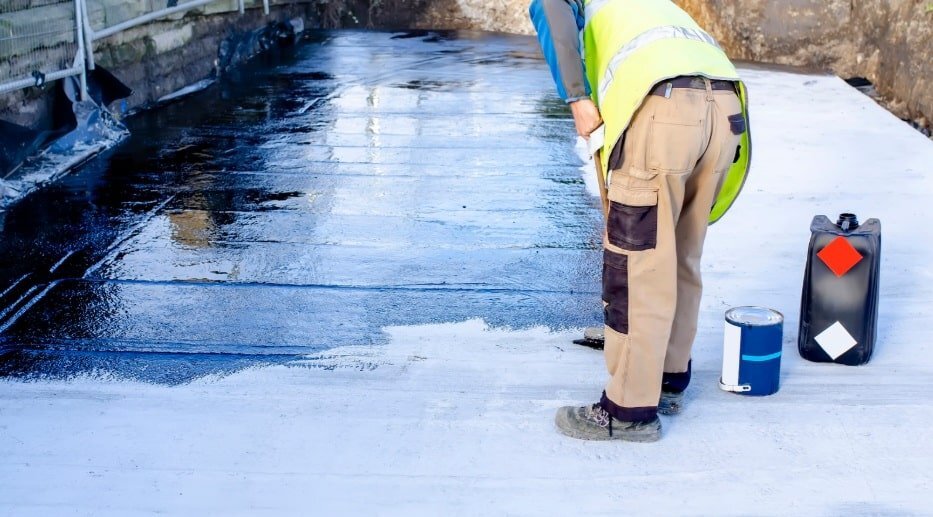
Contemporary roads, parking lots, driveways, and commercial pavements are always subjected to extreme weather conditions, traffic, and water and temperature variations. All these contribute to a gradual deterioration of pavement structures, which cause cracks, potholes, and costly repairs.
Asphalt binder waterproofing forms a protective layer that does not allow water to penetrate the pavement surface and the layers beneath it. This advanced solution enhances the structural strength, durability and reduces maintenance costs in the long term by preventing moisture damage.
In this guide, you’ll learn what asphalt binder waterproofing is, how it works, its key benefits, and why it is considered one of the most reliable solutions for long-lasting pavement performance.
What Is Asphalt Binder Waterproofing?
Asphalt binder waterproofing refers to the process of adding special binders to asphalt pavement to enhance its resistance to water and its general durability. The asphalt binder is the binding agent that binds the aggregates, and forms a flexible waterproof layer that can withstand environmental stress.
Conventional asphalt is capable of taking in water with time, particularly when tiny cracks start to form. When water gets into the pavement, it undermines the base layers, structural integrity and accelerates the deterioration. This risk is reduced by waterproof asphalt binders that seal the pavement and prevent water infiltration.
Contemporary asphalt binders are frequently adjusted with sophisticated polymers, additives or rubber compounds to enhance flexibility, bonding power and aging resistance. These enhancements enable pavements to work well in heavy traffic and in varying weather conditions and still have a smooth and durable surface.
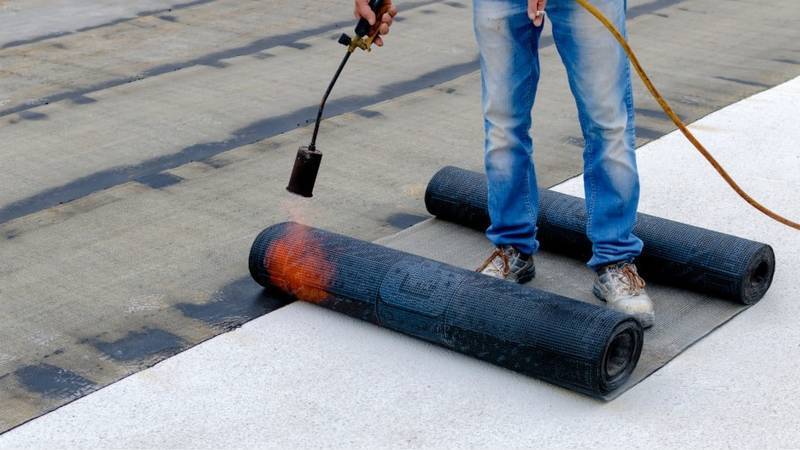
Why Waterproofing Matters for Pavement Performance
One of the major causes of pavement failure is water. The slight presence of moisture can slowly destroy asphalt by weakening the aggregates and softening the base. When the temperature is low, the trapped water expands forming bigger cracks and ultimately resulting in potholes.
Asphalt binder waterproofing prevents these problems before they turn into big problems. The pavement is stronger and more stable during its service life by avoiding water penetration.
This shield is particularly useful in areas that receive a lot of rain, snow, or high temperatures. Waterproofing, even in warmer climates, will reduce oxidation due to extended exposure to sunlight and water, maintaining the flexibility and look of the pavement.
Key Benefits of Asphalt Binder Waterproofing
Asphalt binder waterproofing has a number of benefits that make it a favorite among infrastructure projects and owners of commercial property.
Enhanced durability is one of the largest advantages. Waterproof binders make the pavement stronger, enabling it to support heavy traffic loads without cracking or damaging the surface prematurely.
Long pavement life is another significant benefit. Roads and parking lots will need fewer repairs and be able to stay in excellent condition over many more years by decreasing the deterioration caused by moisture.
Maintenance costs are also reduced by waterproofing. The pavement will undergo less cracking, pothole development, and structural damage, which means that property owners will have to pay less money on regular repairs and resurfacing.
Another significant feature is enhanced flexibility. The contemporary binders are able to stretch and shrink with changes in temperature without weakening their binding power. This flexibility will avoid cracking in seasonal weather cycles.
Moreover, waterproof asphalt also helps to enhance safety. Well-maintained smooth pavements minimize the risk of accidents due to damaged roads, enhance vehicle control, and decrease the risk of accidents due to trip hazards.
Applications of Asphalt Binder Waterproofing
Asphalt binder waterproofing can be used in a variety of construction and maintenance projects.
Waterproof binders are very advantageous to highways since they are subjected to heavy traffic and changes in weather. The additional safety assists in minimizing maintenance downtimes and increasing the life of the roads.
Waterproof asphalt is also used in commercial parking lots to ensure that the asphalt can endure the constant movement of vehicles, oil, and rain. A secure parking area leaves a more positive impression and it minimizes the costs of repairs in the long term.
The runways in airports need to have high-performance pavement systems that can withstand heavy aircraft traffic and at the same time resist moisture damage. Asphalt binders are waterproof and assist in keeping the structure intact in challenging environments.
Waterproof pavement is also beneficial in industrial plants, warehouses, and logistics centers because of the frequent traffic of trucks and the presence of heavy machinery.
Asphalt binder waterproofing can also be used in residential driveways and community roads to ensure a longer life span and more appealing pavement surfaces to the homeowner.
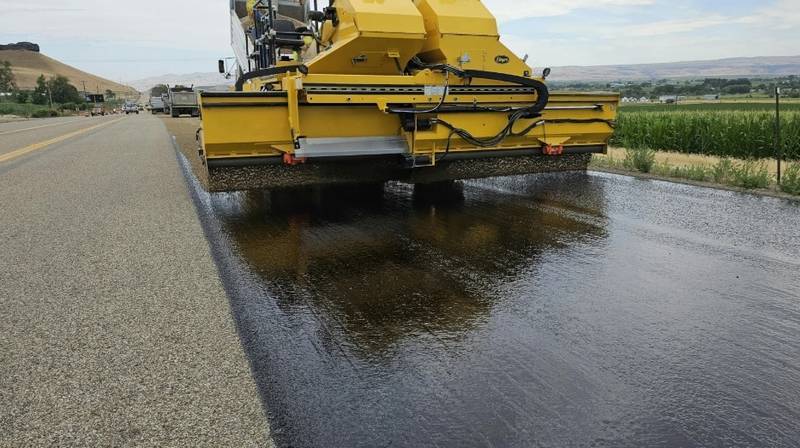
Factors That Influence Waterproofing Performance
Asphalt binder waterproofing is effective depending on a number of factors.
The quality of the material is important. Good modified asphalt binders are more adhesive, flexible and resistant to environmental degradation as opposed to normal materials.
It is also important to install it properly. The most effective waterproofing materials would not provide the best results when the pavement is not constructed properly or compacted.
Regular maintenance is also a part of long-term success. Frequent checks, crack sealing, and surface cleaning are useful to maintain the waterproof barrier and avoid small problems to become significant repairs.
The choice of asphalt binders also should be based on climate conditions. Various formulations are tailored to suit particular temperatures and environmental conditions, and provide maximum protection during the life of the pavement.
Best Practices for Long-Lasting Pavement Protection
Project owners ought to observe a number of best practices to maximize the benefits of asphalt binder waterproofing.
Select quality asphalt binders that are in line with industry standards and project specifications. High quality materials can be invested in which results in high durability and reduced maintenance expenses in the long run.
Hire skilled paving contractors who know how to mix, apply and compact. The waterproofing system is installed professionally to work as expected.
Introduce a preventive maintenance program, which involves frequent inspection and repair of cracks in time. Early correction of minor issues helps in maintaining the waterproofing layer and prolongs the life of pavements.
Keep paved areas well drained. Even waterproof pavement works better when water is not left in a puddle on the surface but rather it is diverted away.Lastly, have periodic surface treatments in cases where necessary. These treatments assist in restoring protective qualities and ensuring that the pavement continues to work effectively over several years.