
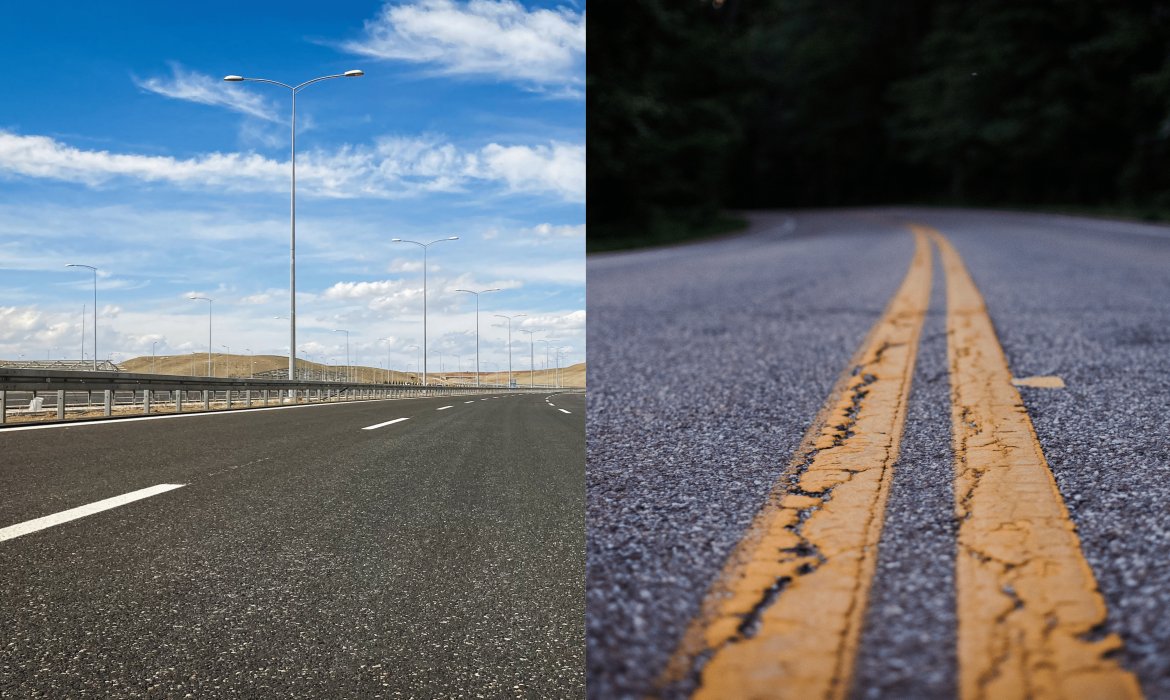
When it comes to paving roads, driveways, and parking lots, you might have heard the terms asphalt and tarmac used interchangeably. While they are similar in some ways, they are not exactly the same. Understanding the differences can help you make better choices for construction, maintenance, and even home improvement projects.
In this article, we will break down what asphalt and tarmac are, how they differ, and which one is better suited for various applications.
What is Asphalt?
Asphalt is a black, sticky, and very viscous substance that is produced as a result of mixture of bitumen and some aggregates such as sand, gravel or crushed stone. Bitumen being a by-product of petroleum refining serves as a binder that holds the aggregates together.
Uses of Asphalt
Asphalt is widely used in the United States for:
Road Construction – highways, city streets, and rural roads.
Driveways – commercial and residential.
Parks – such as office buildings and shopping centers.
Airport runways – it is durable and capable of supporting heavy loads.
Types of Asphalt
There are different types of asphalt depending on the use and durability required:
Hot Mix Asphalt (HMA): Pre-heated and applied; applied primarily on roads and highways.
Warm Mix Asphalt (WMA): The mix is heated in order to reduce temperatures; it is eco-friendly and easier to handle.
Cold Mix Asphalt: This is used in a temporary or small patch; this does not need heating.
Advantages of Asphalt
Durability: It can sustain 15-20 years when maintained.
Cost-effective: Less expensive than concrete in the majority of paving works.
Quick to install: Roads can be paved in a short period and put into use shortly after cooling.
Smooth surface: This is best suited to vehicles, bicycles and pedestrians.
What is Tarmac?
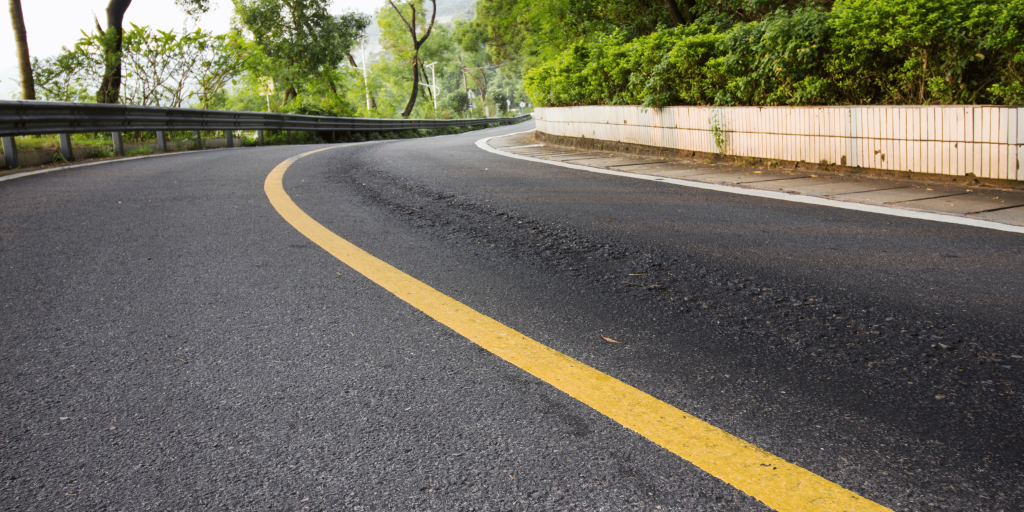
Tarmac, short for tarmacadam, is a material made from crushed stone coated with tar. Tar acts as a binding agent, similar to asphalt’s bitumen. The concept was developed in the early 20th century by a Scottish engineer named John Loudon McAdam, who created “macadam” roads. Later, the tar coating was added for extra durability, giving rise to tarmac.
Uses of Tarmac
Tarmac is commonly found in:
Airport runways – the surface is smooth and perfect with planes.
Driveways and pathways – less popular in the U.S. than asphalt.
Historic roads – there are still a few older streets that have tarmac surfaces.
Advantages of Tarmac
Smooth finish: A clean, smooth appearance.
Durability: Is able to endure moderate traffic loads.
Low maintenance: Requires less frequent repairs than some alternatives.
Key Differences Between Asphalt and Tarmac
While asphalt and tarmac may look similar, there are several differences in composition, performance, and usage.
Composition
Asphalt: This is a mixture of bitumen and aggregates (sand, gravel, crushed stone).
Tarmac: This is constructed using tar and aggregates.
Bitumen is a petroleum product, and tar is a product of coal. This disparity has an impact on performance, durability, and environmental performance.
Durability
Asphalt: It can be used in highways and busy streets as it can resist heavy traffic and extreme weather conditions.
Tarmac: Not as strong when there is heavy traffic, high temperatures; it is used in low traffic zones.
Cost
Asphalt: This is usually cheaper particularly when dealing with massive projects such as highways and parking lots.
Tarmac: It is more expensive because of the cost of tar and the specialized process of application.
Appearance
Asphalt: Black, smooth and homogeneous.
Tarmac: Black and slightly shiny and polished due to the tar.
Installation Process
Asphalt: This is heated and mixed and deposited using a roller. Driveable after cooling.
Tarmac: Tar is to be put on crushed stone and compacted. It has a lower cooling and setting rate than asphalt.
Maintenance
Asphalt: Simple to repair and re-lay. Small cracks and potholes can be fastened easily.
Tarmac: Harder to fix; needs the work of a professional to keep the finish smooth.
Asphalt vs. Tarmac: Which One Should You Choose?
Whether you use asphalt or tarmac is a matter of your project, budget and location.
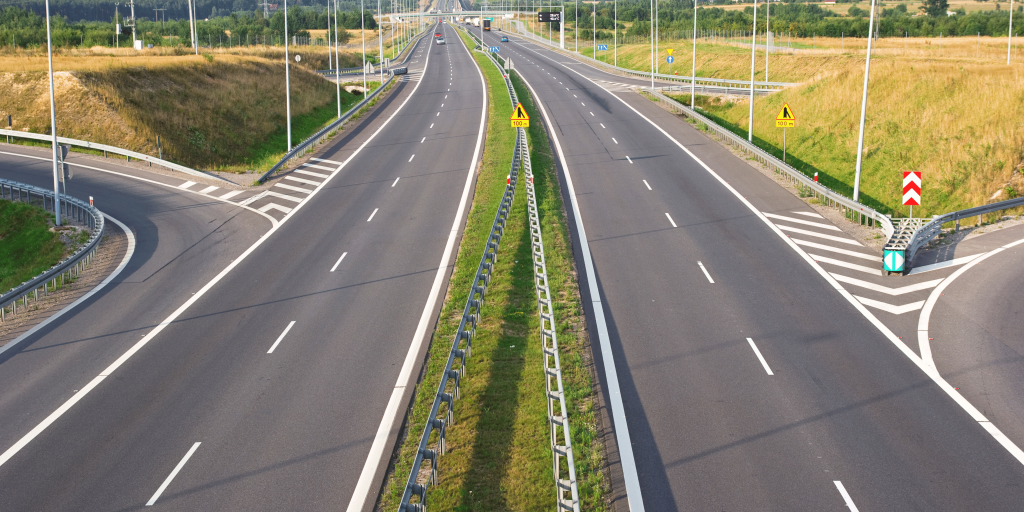
For Roads and Highways
In the U.S., asphalt is preferred due to the fact that it:
- Can handle heavy traffic.
- Is economical over long distances of highway.
- Less labor-intensive maintenance is required.
For Driveways and Low-Traffic Areas
Tarmac might be suitable if:
- You desire a smooth, good-looking surface.
- The traffic is not heavy, such as in residential driveways.
Environmental Considerations
Modern warm-mix or recycled asphalt can be used, which makes asphalt more environmentally friendly.
There is a possibility that tar, present in tarmac, emits more pollutants during its production and use.
Common Myths About Asphalt and Tarmac
Myth 1: Tarmac and Asphalt Are the Same
This is false. Although they resemble each other and are used in the same way, they are composed, durable, and used in different ways.
Myth 2: Tarmac is Better for Heavy Traffic
In fact, asphalt performs better in the heavy traffic conditions compared to tarmac. Tarmac is better adapted to light loads.
Myth 3: Asphalt Requires More Maintenance
Quite the contrary, asphalt is more convenient and inexpensive to maintain as compared to tarmac particularly on a large scale.