
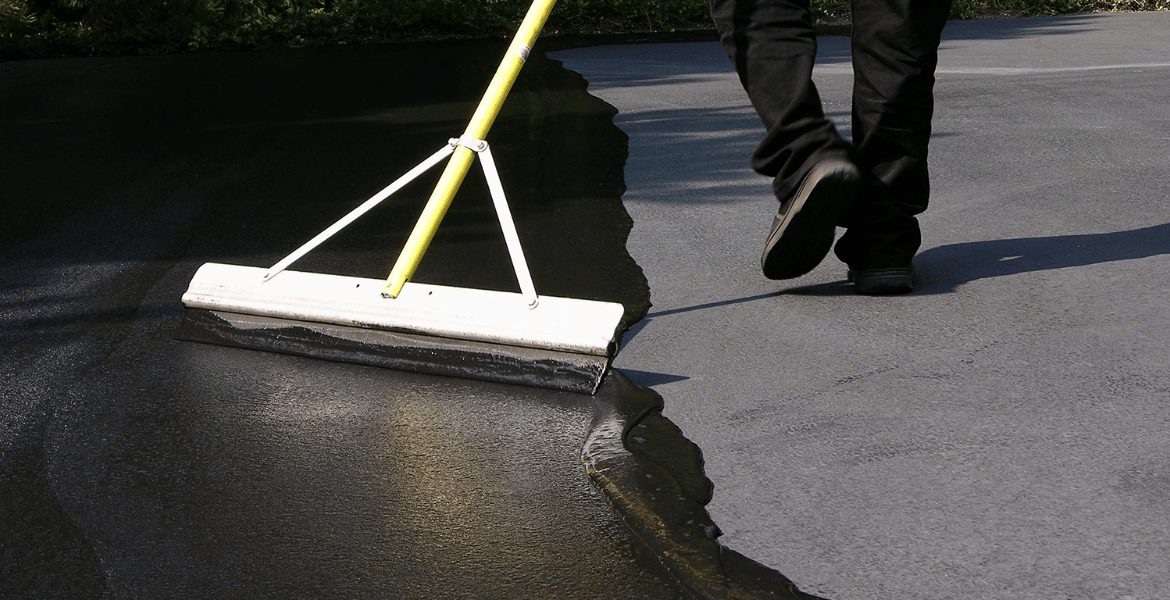
One of the most appropriate methods of ensuring your driveway or parking lot is not damaged by the weather, traffic, an oil spill, or UV rays can be achieved by applying an asphalt sealer. The most often inquired question among the homeowners and property managers is, how long does asphalt sealer take to dry? The short response is 24 to 48 hours yet the actual response is based on various key factors. We will simplify all this in this guide so that you are well aware of what to expect before sealing your asphalt surface.
What Is Asphalt Sealer?
Asphalt sealer (also called sealcoat) is a protective liquid coating applied over asphalt pavement.
It creates a barrier that helps:
- Prevent cracks and potholes.
- Guard against water intrusions.
- Lessen harm due to the sun and oxidation.
- Enhance the attractiveness with clean black finish.
Sealcoating is applied on residential driveways, commercial parking lots, roads, and pathways.
Average Drying Time for Asphalt Sealer
Initial Drying Time
During normal weather conditions the asphalt sealer takes 4 to 8 hours to dry to touch.
During this period:
- Light traffic could be permitted.
- The automobiles are not to remain on the surface.
Although the sealer may appear to be dry, it is still drying under the surface.
Full Curing Time
With the majority of sealcoating solutions, total drying and curing will require 24 to 48 hours.
The acceptable waiting time before:
- Parking cars or trucks
- Allowing heavy foot traffic
- Spraying the surface with water.
The professional grade sealers can take as long as 72 hours particularly when the weather is cool or humid.
Factors That Affect Asphalt Sealer Drying Time
Not all driveways and parking lots dry within the same time. The process may be accelerated or decelerated by a number of factors.
Weather Conditions
The largest influence of the drying of asphalt sealer is due to weather.
Temperature
- Ideal temperature is 50°F to 85°F
- The temperature increases when the sealer dries quicker.
- Evaporation is slowed down by cold weather.
The majority of contractors suggest sealcoating in the end of spring, summer, or early fall.
Humidity
Low humidity = faster drying
High humidity = slower drying
States that are highly humid (such as Florida, Louisiana, coasts) can take a longer time to dry.
Sunlight
- The sunshine is direct and accelerates drying.
- Areas with color have prolonged curing.
Type of Asphalt Sealer Used
Asphalt sealers come in various varieties and each one of them dries at a rate.
Coal Tar Sealer
- Commonly used
- Dries within 24 to 48 hours
- Hard and oil and chemical resistant.
Asphalt Emulsion Sealer
- More eco-friendly
- Heals a little later
- Usually needs 48 hours or more
Fast-Dry Sealers
- Designed for commercial use
- Can dry in 4 to 12 hours
- Often it costs more.
Thickness of the Application
- Coats of a thicker type require more time to dry.
- Numerous layers need more time to dry.
To achieve a good result and quicken the process, professional contractors usually use two thin layers instead of one thick one.
Surface Condition
If the asphalt surface is:
- Cracked
- Uneven
- Recently repaired
The time of drying can be longer since the sealer is sunken in the surface, rather than resting on the surface.
When Can You Walk or Drive on Sealed Asphalt?
Walking on Sealed Asphalt
- Light traffic – more than 4-8 hrs.
- Do not drag or twist around.
Children should not touch the surface until it is completely cured and pets should be kept off.
Driving on Sealed Asphalt
Passenger cars: Beyond 24-48 hours.
Heavy cars or trucks: More than 48-72 hours.
Premature driving may leave tire tracks, dents or irreversible damage to the sealer.
How to Tell If Asphalt Sealer Is Fully Dry
Check the following signs before letting the vehicles on the surface:
- No tacky or sticky feeling
- Even black and no soft places.
- No sealer casts to shoes and hands.
In case you are not sure, it is always better to wait one more day.
Tips to Speed Up Asphalt Sealer Drying Time
You cannot control the weather but you can do something to ensure that the sealer dries quicker.
Choose the Right Day
- Clear skies
- Warm temperatures
- Low humidity.
Improve Airflow
- Clean up rubbish in the driveway.
- Do not stop the flow of wind.
Apply Thin Coats
Thin layers dry more quickly and maintain the long duration.
Avoid Water Exposure
- Keep sprinklers off
- Monitor weather projections on rain.
Common Mistakes That Delay Drying
Many homeowners unintentionally slow down the drying process by making these mistakes:
- Sealcoating during cold weather or in the rainy season.
- Applying sealer too thick
- Excessively early surface driving.
- Application of low-quality sealer products.
The prevention of these mistakes can be used to facilitate a seamless and prolonged completion.
How Often Should Asphalt Be Sealed?
In most parts of the United States:
Residential driveways: Once every 2-3 years.
Parking lot business: Every 1-2 years.
The life of your asphalt is prolonged with regular sealcoating and you save money on expensive repairs.
How Long Does Asphalt Sealer Take to Dry?
So, how long does asphalt sealer take to dry?
- 4-8 hours for light foot traffic
- 24-48 hours before driving
- A maximum of 72 hours in the case of heavy vehicles or humid weather.
The drying time varies depending on weather conditions, type of sealer used, thickness of application and condition of surface. To achieve the best outcome, sealcoating should be performed in hot and dry conditions and according to the recommendations of the manufacturer or the contractor.
It takes time to ensure that your asphalt sealer dries well which will not only protect your investment but also enhance the appearance and make sure that your driveway or parking lot will last your years.