
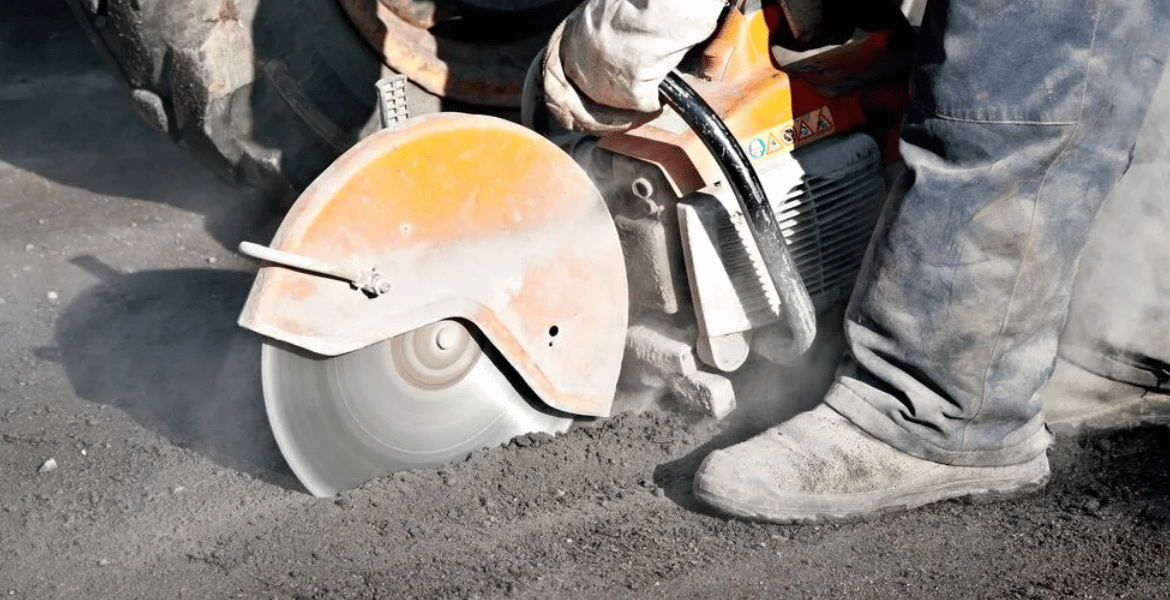
Asphalt cutting can seem easy, and to do it properly one needs to have the right equipment, preparation, and precautions. You need to know how to cut asphalt correctly to save time, money and frustration whether you are repairing a driveway, installing a utility line or taking away damaged pavement.
This guide is a complete manual as well as it covers all that you need to know whether it be tools and techniques or safety measures; therefore, you can comfortably cut asphalt as a professional.
What Is Asphalt and Why Is It Hard to Cut?
Asphalt is a paving substance that is of sturdiness and is composed of aggregate (stone, sand, and gravel) blended with bitumen. It is made to last long in heavy traffic, extreme weather conditions and temperature, which also makes it difficult to cut without the right equipment.
Cutting asphalt incorrectly can lead to:
- Uneven edges
- Cracking beyond the cut line
- Destruction of adjacent pavements.
That is why it is important what is prepared and how.
Common Reasons for Cutting Asphalt
Some of the most useful reasons why people cut asphalt are:
- Repair of driveway or parking lot.
- Drainage systems installation.
- Installation of underground utilities.
- Eliminating weakened or sunk areas.
- Forming clean patching edges.
The process is relatively similar regardless of the size of the project.
Tools Needed to Cut Asphalt
Asphalt Cut-Off Saw (Concrete Saw)
The most commonly used tool is a gas-powered or electric cut-off saw. These saws are constructed in such a way that they are able to deal with thick materials such as asphalt and concrete.
Best for:
- Medium to large projects
- Straight, deep cuts
Diamond Blade
A blade with a diamond tip and specifically designed to cut asphalt should always be used. These blades cut easily and minimize chipping.
Tip: Asphalt blades contain larger holes to stop the melted tar clogging.
Chalk Line or Spray Paint
Marked down to indicate straight, visible, cut lines prior to starting.
Water Supply or Hose
Water helps to loosen dust, cools the blade and helps with overheating.
Safety Gear
- Safety glasses
- Hearing protection
- Heavy gloves
- Steel-toe boots
- Dust mask or respirator
Safety Precautions Before Cutting Asphalt
Safety should always come first. Asphalt cutting produces dust, noise, and debris that can be dangerous.
Important Safety Tips:
- Check for underground utilities by calling 811 (Call Before You Dig)
- Wear full protective gear
- Keep bystanders away
- Exposure to an outdoor place of work that is well-ventilated.
- Never force the saw—let the blade do the work
Step-by-Step Guide: How to Cut Asphalt
Step 1: Mark the Cutting Area
Mark the area of where you want to cut either with chalk, spray paint or straight edge. Straight line assists in providing clean edges and professional work.
Tip: Measure, cut twice. It is difficult to repair asphalt errors.
Step 2: Set the Cutting Depth
The majority of asphalt is 2-4 inches thick. Adjust your saw blade to cut just below the asphalt layer, but not so far as the bottom material.
Step 3: Wet the Surface
Spray water on the cutting line.
This helps:
- Reduce dust
- Keep the blade cool
- Improve cutting efficiency
There are others with inbuilt water systems in saws.
Step 4: Start Cutting Slowly
Turn on the saw and wait till it reaches full speed and then touch the asphalt. Slowly cut the saw along the line marked.
Tip: Do not push hard. Over pressure may destroy the blade or make uneven cuts.
Step 5: Make Multiple Passes if Needed
In thicker asphalt, do not cut one deep cut, but make several shallow cuts. This eliminates overheating and delivers cleaner results.
Step 6: Break and Remove the Asphalt
Once the cut is complete:
- Lift the section using a pry bar, shovel or jackhammer.
- Remove debris carefully
- Wipe off the edges to patch or repair.
How to Cut Asphalt Without a Saw (Small Jobs)
For small or thin asphalt sections, you may use alternative methods.
Using a Cold Chisel and Hammer
This method works best for:
- Thin asphalt
- Minor repairs
Repeat the process several times until the asphalt is broken by hitting it with force on the cut line.
Note: The process is more difficult, and it will not give perfectly straight lines.
Common Mistakes to Avoid
Avoid these mistakes to ensure a smooth project:
- Using the wrong blade
- Skipping safety gear
- Cutting too deep too quickly
- Neglecting utilities in the ground
- Cutting without water.
The experience of these errors can be used to prevent expensive repairs.
Can You Cut Asphalt Yourself or Should You Hire a Pro?
DIY Is Best If:
- The project is small
- You have the right tools
- You are accustomed to power equipment.
Hire a Professional If:
- The area is large
- Precision is critical
- There are underground utilities in the vicinity
- You lack experience.
Asphalt cutting services are done by professionals to provide clean cuts and minimize risks.
Cost to Cut Asphalt
DIY costs may include:
Tool rental: $60-$100 per day
Blade rental: $30-$50
Safety gear: $40-$100
The cost of professional services is usually between $2.00 and $5.00 per linear foot and it varies with the depth and location.
Tips for a Clean and Safe Asphalt Cut
Asphalt does not necessarily need to be a tricky task as long as you have the right tools and go through the procedure. It is in addition to marking the cut line, selecting the appropriate blade, and so on, which helps to produce clean and professional results.
As a homeowner repairing a driveway or a contractor repairing one, knowing how to cut asphalt in an efficient and safe manner will enable you to finish the task successfully.
Asphalt cutting can be done the first time provided that it is done with preparation, patience and safety in mind.