
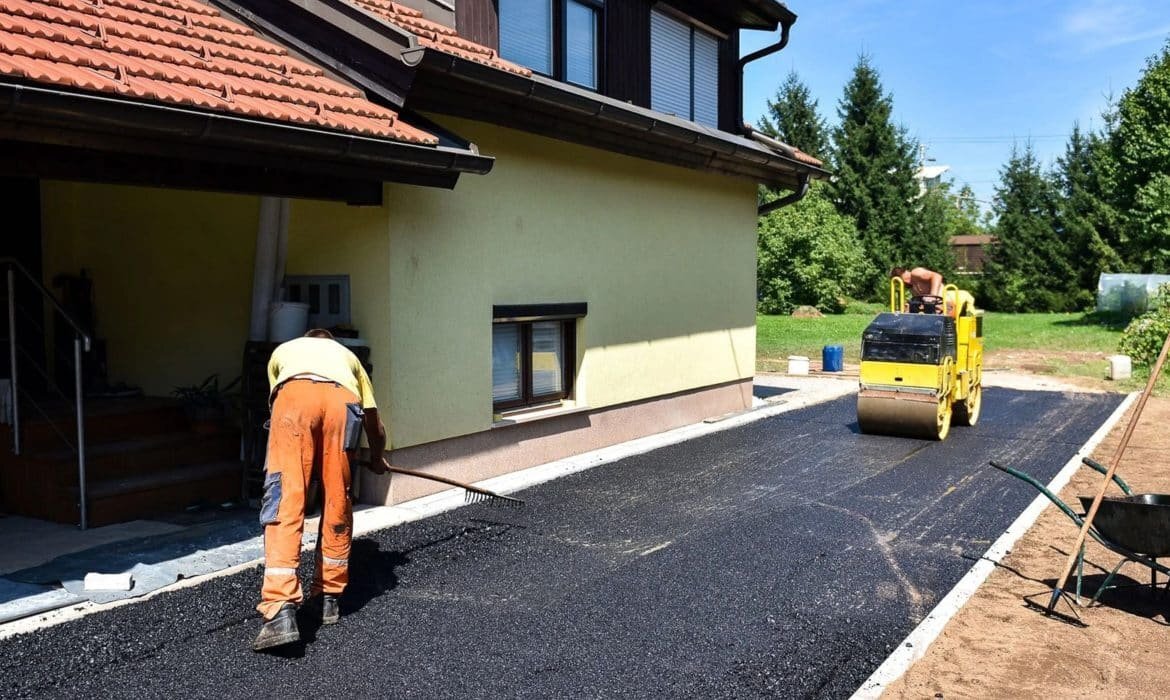
Recycled asphalt has become a popular choice for driveways, parking lots, and rural roads due to its affordability and eco-friendly benefits. However, many property owners ask an important question: Can recycled asphalt be sealed? The short answer is yes—but the process, timing, and expectations differ from traditional asphalt sealing.
In this guide, we’ll break down everything you need to know about sealing recycled asphalt, including how it works, its benefits, and best practices to get long-lasting results.
What is Recycled Asphalt?
Recycled asphalt or reclaimed asphalt pavement (RAP) is a type of asphalt that is recycled by removing, crushing, and reusing old asphalt. This material is not thrown away, but instead, is reused and compacted to form another surface.
Recycled asphalt has a blend of old binder and aggregates as compared to fresh asphalt. It is a cost-effective and durable surface when installed and compacted properly. With time it is exposed to heat and pressure, which causes it to bind together naturally, providing it with a semi-solid finish.
Can Recycled Asphalt Be Sealed?
Yes, recycled asphalt may be sealed; however, it must be prepared and timed properly. Recycled asphalt requires time to settle and cure before sealing can be effective, unlike new asphalt.
Why Timing Matters
Recycled asphalt is not freshly laid and is not ready to be sealed. It requires time, usually 6 to 12 months, to compact and stabilize. Traffic and weather conditions during this time contribute towards binding the material.
Early sealing may entrap loose particles and allow incomplete bonding and, thus, poor results.
Benefits of Sealing Recycled Asphalt
There are a number of benefits of sealing recycled asphalt, particularly when you desire to enhance its appearance and lifespan.
Improved Appearance
Recycled asphalt is gray or patchy in appearance. It is coated with a sealcoat to make it darker and more uniform, like new asphalt.
Increased Durability
Sealcoating provides a protective coating that assists in protecting the surface against UV rays, rain, and oxidation. This will prolong the life of your driveway or pavement.
Dust Reduction
Loose dust or particles can be a problem that is associated with recycled asphalt. Sealing assists in bonding these materials and minimizing dust, making the surface cleaner.
Better Water Resistance
A sealcoat can be used to prevent water infiltration into the surface; it can minimize erosion and potholes.
Challenges of Sealing Recycled Asphalt
Although it can be sealed, recycled asphalt has a couple of challenges to consider.
Surface Porosity
Recycled asphalt is porous compared to new asphalt, which means that it can absorb sealcoat unevenly. Often, sealcoating can be applied in several coats to remedy this.
Loose Aggregate
Unless the surface is completely compacted, loose stones may pose an issue in the sealing process. To prevent this problem, it is necessary to prepare properly.
Variable Results
Due to the variability of recycled asphalt, the outcomes of one project to another may vary. Certain surfaces might not be as smooth and black as conventional asphalt.
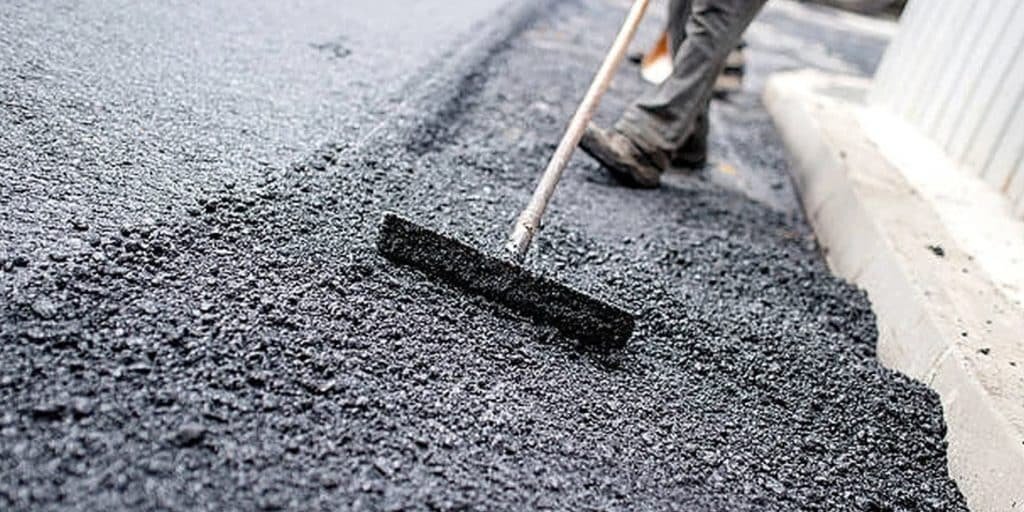
How to Seal Recycled Asphalt Properly
In order to achieve the most effective results, there are important steps to follow when sealing recycled asphalt:
Allow Proper Curing Time
Wait 6 to 12 months after installation before sealing. This makes the surface stable and better prepares it to be sealed.
Clean the Surface
Clean up dirt, debris, and loose stones with a broom or blower. The sealcoat adheres better to a clean surface.
Repair Any Damage
Before applying the sealcoat, fill in potholes or irregularities. This produces a more uniform and smooth finish.
Apply the Right Sealcoat
Apply a good quality sealant made of asphalt. Recycled asphalt can be better treated with a rejuvenator or oil-based treatment, which is useful in restoring the binder that has worn out.
Use Multiple Coats if Needed
Due to its porous state, recycled asphalt might need more than a single layer to be applied uniformly.
Allow Drying Time
Allow the sealcoat to dry before permitting traffic on the surface. This normally requires 24 to 48 hours, depending on the weather.
Alternatives to Traditional Sealcoating
In some instances, recycled asphalt might not be suitable when using traditional sealcoating.
The following are some of the alternatives:
Asphalt Rejuvenators
These products penetrate the surface and restore the original oils in the asphalt. They tend to work better on recycled materials compared to conventional sealcoats.
Chip Sealing
This technique includes the use of a coating of liquid asphalt and then pebbles. It can enhance durability and offer a textured surface.
Dust Control Treatments
In low-traffic or rural locations, dust control measures can be used to stabilize the surface without complete sealing.
When Should You Seal Recycled Asphalt?
It is important to know when to seal your asphalt surface.
Ideal Conditions
- Warmer weather (over 50°F)
- Dry weather with no rain in the forecast
- Dry climate (will dry faster)
Signs Your Surface Is Ready
- The surface is hard and compact
- Little loose gravel or dust
- Color is now a lighter gray
Is Sealing Recycled Asphalt Worth It?
Recycled asphalt can be sealed provided it is done properly. Sealing improves the appearance, minimizes dust, and offers more shield against the elements.
However, it’s important to manage expectations. Even after sealing, recycled asphalt might not have the same smooth, jet-black look as fresh asphalt does. Nevertheless, it is a viable option due to the enhanced performance and the increased lifespan.
Important Considerations for Sealing Recycled Asphalt
Sealing recycled asphalt is possible, but it requires the right approach to achieve the best results. Proper timing, surface preparation, and material selection all play a key role in how well the sealcoat performs over time.
Allowing the surface to fully cure before sealing helps ensure better adhesion and a more consistent finish. In addition, choosing the right type of sealant—such as asphalt-based sealers or rejuvenators—can make a noticeable difference in durability and appearance.
Recycled asphalt surfaces can vary, so results may not always match traditional asphalt. However, when handled correctly, sealing can still improve performance, reduce dust, and provide added protection against weather and wear.