
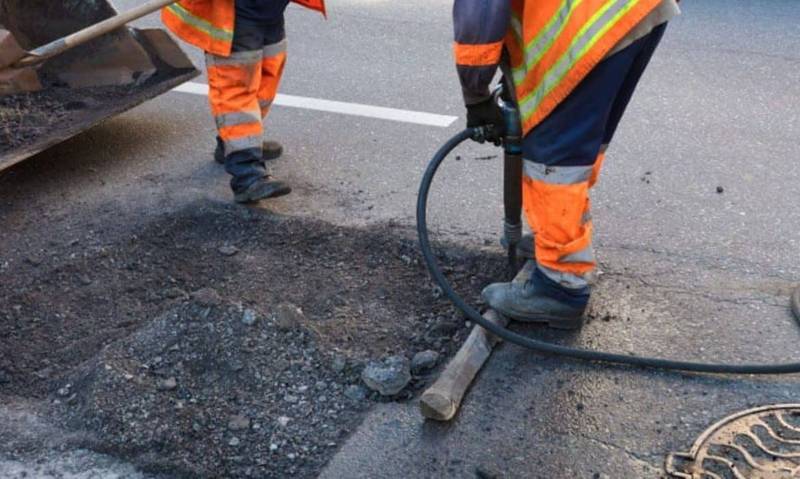
Pavement maintenance is the process of preserving, protecting, and extending the life of paved surfaces such as roads, driveways, parking lots, and walkways. Instead of waiting for pavement to fail completely and require costly reconstruction, maintenance focuses on preventive and corrective measures that keep surfaces in good condition for as long as possible.
Well-maintained pavement is not just about appearance—it plays a critical role in safety, durability, and cost efficiency. Whether it’s a residential driveway or a commercial parking lot, regular maintenance helps reduce long-term expenses while ensuring a smooth and safe surface.
Why Pavement Maintenance Is Important
Pavement is always subjected to such factors as sunlight, rain, temperature variations, and traffic loads. These factors wear and tear over time resulting in cracks, potholes, and surface deterioration.
Frequent pavement maintenance has several advantages:
Prolongs life: Preventive care postpones significant damage and extends the life of pavement.
Minimizes repair expenses: It is much cheaper to repair minor problems than to replace the entire system.
Enhances safety: Smooth surfaces with no cracks minimize the chances of accidents.
Improves appearance: Properly kept pavement increases curb appeal and property value.
Protects against water damage: Sealed surfaces prevent water from entering and undermining the foundation.
Small issues that are not properly maintained may easily escalate into costly structural failures.
Types of Pavement Maintenance
The maintenance of pavements can be broadly categorized into three types: preventive, corrective, and emergency maintenance. Each of these types has a particular role to play in maintaining the quality of pavement.
Preventive Maintenance
Preventive maintenance deals with preventing damage before it occurs or increases. It is the least expensive method and is usually done on pavement that is in good condition.
The typical preventive maintenance methods are:
Sealcoating: Coating pavement to protect it against UV rays, water, and chemicals
Crack sealing: Sealing small cracks to stop water infiltration
Surface treatments: Coating surfaces with thin layers to regain surface texture and strength
Property owners can save money on significant repairs and extend the life of pavement by a few years by investing in preventive maintenance.
Corrective Maintenance
Corrective maintenance involves correcting the current problems that are not yet serious to warrant a complete reconstruction. It is aimed at repairing pavement to a working state.
Examples include:
- Patching potholes
- Repairing larger cracks
- Leveling uneven surfaces
This kind of maintenance is necessary when the initial damage has already been done but can be handled without a lot of effort.

Emergency Maintenance
Emergency repairs are done when the pavement is damaged to the extent that it is dangerous, or it seriously affects its usability. This involves large potholes, structural deficiencies, or places that are unsafe.
Regular preventive maintenance is highly suggested because emergency repairs tend to be costly and disruptive.
Common Pavement Problems
Being aware of typical pavement problems contributes to determining when maintenance is required.
The most common issues are:
Cracks
One of the first signs of pavement deterioration is cracks. They may be due to change in temperatures, traffic congestion, or deterioration of materials. When not treated, cracks enable water to creep in and undermine the structure.
Potholes
Potholes develop when water gets into cracks, freezes, expands, and disintegrates the pavement. Not only are they unsightly, but they are also hazardous to vehicles and pedestrians.
Rutting
Rutting is manifested by depressions or grooves on the pavement due to repeated traffic loads. This may cause water stagnation and wear.
Fading and Oxidation
Sunlight makes pavement lose its flexibility and become brittle. This is called oxidation; it results in fading and cracking of surfaces.
Key Pavement Maintenance Techniques
Pavement maintenance is a mixture of practices based on the condition and usage of the pavement.
Some of the most common methods are listed below:
Sealcoating
One of the best methods of protecting asphalt surfaces is sealcoating. It serves as a shield against moisture, UV rays, and chemicals such as oil and gasoline.
Sealcoating is usually done every 2 to 3 years and helps to maintain the appearance of the pavement. It also considerably prevents the process of its deterioration.
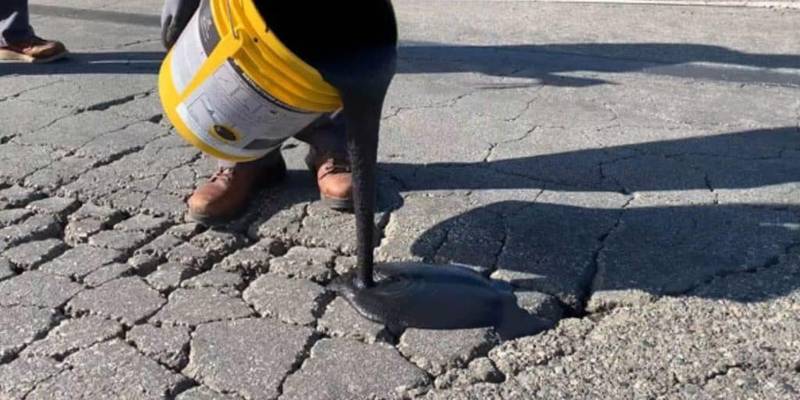
Crack Filling and Sealing
Crack filling is the process of filling cracks with a material to stop the intrusion of water. Sealing goes a step further to use special materials that swell and shrink with changes in temperature.
This method is necessary to avoid the minor cracks becoming significant structural problems.
Patching
Localized damage—like potholes or broken sections—is repaired by patching. It is a process of eliminating the damaged part and substituting it with new material.
Two major types are:
Surface patching: Rapid solutions to small problems
Full-depth patching: Repairs of deeper damage are more durable
Resurfacing
Resurfacing is the process of applying a new layer of asphalt over the old pavement. It is a cost-effective alternative to reconstruction because it does not entirely remove the old pavement; it just restores the surface.
How Often Should Pavement Be Maintained?
The rate at which pavement is maintained is determined by the amount of traffic, severity of weather, and the quality of the initial installation.
In general, however, there are some rules, such as:
Sealcoating: Every 2 to 3 years
Crack sealing: Annually or as needed
Inspections: Once a year or more
Repairs: As soon as problems are detected
Frequent checks are essential as they assist in identifying the initial signs of damage before it gets out of hand.
Benefits of a Pavement Maintenance Plan
With an organized maintenance schedule, pavement will be in the best shape during its life. A maintenance plan enables proactive care as opposed to responding to issues as they occur.
Key advantages include:
Predictable costs: Planned maintenance makes budgeting easier.
Better durability: Timely treatments make pavement strong.
Reduced downtime: Fewer interruptions will occur as well as less significant repairs.
Longer life: Pavement in good condition has a much longer life.
An effective maintenance program is one that is designed to suit the individual requirements of the pavement, considering the usage trends and environmental factors.
Keeping Your Pavement in Top Condition
Pavement maintenance is a vital practice in maintaining the quality, safety, and durability of paved surfaces. By emphasizing prevention and treating the problems at the initial stage, property owners will be able to save money on repairs and prolong the life of their investment.
Sealcoating, crack sealing, patching, and resurfacing are all important maintenance methods that help to ensure that pavement is maintained in the best condition. Periodic checks and a strategic maintenance plan will make sure that minor issues do not end up becoming major ones.
Over time, regular pavement maintenance is not only a wise decision, but it is mandatory to anyone who wants to safeguard their property and save money.