
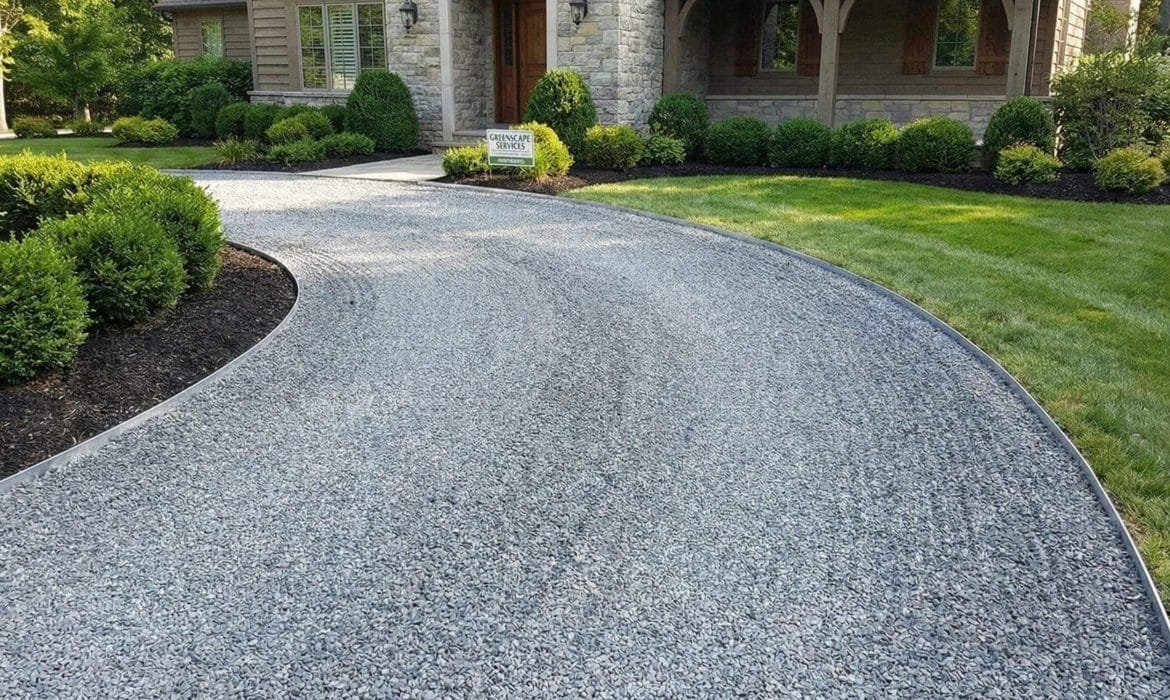
A gravel driveway can look clean, rustic, and low-maintenance—until weeds start creeping in. These stubborn plants not only ruin the appearance, but can also damage the structure of your driveway over time. The good news is that with the right approach, you can eliminate weeds and prevent them from coming back.
In this guide, you’ll learn effective, long-term methods to permanently get rid of weeds in a gravel driveway using practical and easy-to-follow steps.
Why Weeds Grow in Gravel Driveways
It is critical to know why weeds grow in gravel driveways before addressing the problem. Weeds do not grow due to the gravel, as many people might think.
Rather, they flourish because of:
- Organic matter and dirt that build up between stones
- Retention of moisture under the gravel layer
- Seeds blown by the wind into crevices
- Insufficiency of a good weed barrier below
When weeds are planted, they grow rapidly, and therefore, early intervention is necessary.
Step-by-Step Process to Permanently Remove Weeds
Removal, prevention, and maintenance are all necessary to get rid of weeds permanently. The following is how to do it.
Remove Existing Weeds Completely
Begin by removing weeds that are visible. This can be done by hand or by tools.
- Weed by hand, being careful to get the roots
- Apply a hoe or weed puller on deeper roots
- Weeds should be removed after a rain when the soil is soft
In case of large infestations, it is advisable to use a string trimmer to cut the infestation and then pull out the roots.
Apply a Weed Killer
It is important to apply a weed killer to avoid regrowth.
There are two principals:
Non-selective herbicides: Kill all vegetation they encounter.
Natural solution: Vinegar, salt, and dish soap blends.
Spray the solution on the weeds, targeting the base. This assists in destroying the root system which is important in long term removal.
Hint: Weed killer should be applied on a sunny day when it is dry.
Remove Debris and Old Gravel
When the weeds are removed, clear up any organic matter such as:
- Leaves
- Soil buildup
- Dead roots
When you have a driveway that contains old or compacted gravel mixed with dirt, then it is worth removing it and replacing it. Clean gravel helps to eliminate the possibility of growth of weeds.
Install a Weed Barrier Fabric
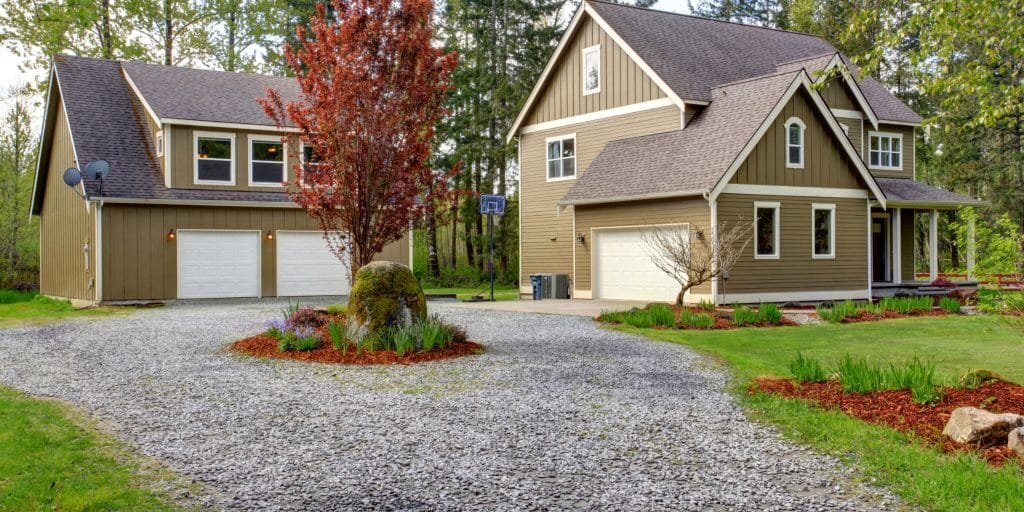
One of the best long-term solutions is the use of a high-quality weed barrier fabric. This works by preventing the sun rays from penetrating and letting the water flow.
Steps to install:
- Grading the driveway
- Lay down the fabric evenly
- Fasten it with landscape staples
- Top with a new layer of gravel
This forms a powerful shield against future growth of weeds.
Add a Thick Layer of Gravel
Through thick gravel, weeds find it hard to grow. Strive to a depth of 2 to 3 inches.
Benefits include:
- Reduced sunlight reaching seeds
- Better drainage
- Fewer areas to root weeds
Use angular gravel rather than round stones, which are more compact and leave fewer gaps.
Use Salt or Natural Weed Preventers
When used sparingly, salt may serve as a long-term weed deterrent. Lightly sprinkle it in problem areas, particularly along edges.
Other natural alternatives are:
- Boiling water
- Vinegar sprays
- Baking soda in cracks
Hint: Do not use too much salt because it may influence the soil and the plants around it.
Long-Term Maintenance Tip
With proper installation, some sort of maintenance can go a long way in ensuring that your gravel driveway is free of weeds.
Regularly Inspect Your Driveway
Inspect your driveway after every few weeks to see whether there is any new weed growth. Removal at an early stage helps to avoid bigger troubles in the future.
Rake and Refresh Gravel
Raking is used to evenly redistribute gravel and to stop the accumulation of dirt. Add new gravel every year when necessary to keep the right thickness.
Keep Edges Clean
Weeds usually begin to grow on the edges of driveways. Keep these corners clipped and clean to prevent the growth of weeds inwards.
Common Mistakes to Avoid
These are some of the errors that can be avoided to make your weed control efforts much more effective:
Skipping the weed barrier: This results in repeated weed issues.
Thin layers of gravel: Permits sunlight and seeds to enter.
Neglect of maintenance: Small weeds soon grow into large infestations.
Excessive use of chemicals: Can cause harm to the surrounding areas and damage the environment.
Natural vs. Chemical Solutions: Which Is Better?
Each of the methods has its own advantages and disadvantages.
Natural methods:
- Less harmful to the environment
- Cost effective
- Require repeated application
Chemical herbicides:
- More efficient and quicker
- Longer-lasting results
- May contain harsh ingredients
To achieve optimal outcomes, most homeowners combine the two options by applying herbicides initially and natural remedies later.
Keeping Your Gravel Driveway Weed-Free Long Term
Permanently getting rid of weeds in a gravel driveway isn’t about a single quick fix—it’s about a complete system. By removing existing weeds, installing a proper weed barrier, using the right materials, and maintaining your driveway regularly, you can keep it clean and weed-free for years.
Consistency is key. A little effort now can save you from constant frustration later. Follow these steps, and your gravel driveway will remain neat, durable, and virtually weed-free.