
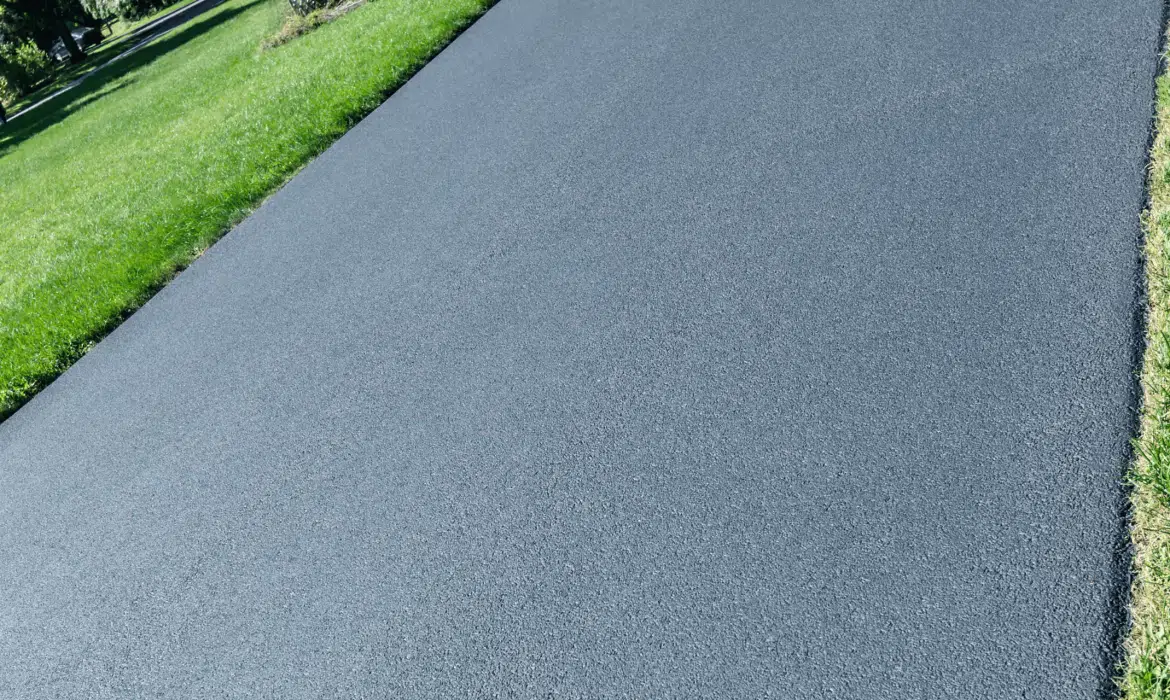
A driveway is one of the first things people notice when they arrive at a home. Over time, exposure to sunlight, rain, oil spills, and daily vehicle traffic can cause cracks, fading, and surface damage. This is why applying a quality driveway sealer is essential. The right sealer protects the surface, improves appearance, and extends the life of your driveway.
But with so many options available, homeowners often wonder: what is the best driveway sealer? The answer depends on the type of driveway, climate conditions, and the level of protection needed. This guide explains the different types of driveway sealers and how to choose the best one.
Why Sealing a Driveway Is Important
Driveway sealers serve as a security shield between the driveway and outside factors. Materials such as asphalt and concrete will also wear out without sealing.
The major advantages of sealing a driveway are:
Waterproofing: It keeps out water and does not allow it to seep into the surface and crack it.
UV Resistance: Decreases light degradation and corrosion.
Oil and Chemical Protection: Aids in fighting vehicle stains.
Improved appearance: Makes the driveway look new and clean.
Extended Life: Sealing can be done on a regular basis which helps to extend the life of the driveway considerably.
Due to such advantages, sealing a driveway can be a significant maintenance measure after several years.
Types of Driveway Sealers
Choosing the best driveway sealer begins with understanding the different types available. Each type is designed for specific driveway materials and protection levels.
Asphalt-Based Sealers
Asphalt driveways are normally sprayed with asphalt-based sealers. They offer good protective cover and do not lose the dark black color of the surface.
These sealers have asphalt emulsion that sticks together with the already existing pavement. They are cost effective, strong, and simple to use. They are also preferred by homeowners as they offer a consistent look.
However, asphalt-based sealers can be applied after every two to three years depending on the weather exposure.
Coal Tar Sealers
Coal tar sealers are characterized by great durability and resilience to oil, gasoline, and chemicals. They produce a hard protective coating that can endure heavy traffic and an adverse environment.
Coal tar sealers are highly resistant to stains; thus, they are mostly used in commercial parking places and residential driveways.
The downside is that coal tar sealers may have a stronger odor during application and drying. Proper ventilation and safety precautions are recommended during use.
Acrylic Sealers
In asphalt as well as concrete surfaces, acrylic driveway sealers are commonly applied. They are very resistant to sunlight and weather.
The long-lasting performance of acrylic is one of the greatest benefits of this type of sealers. They are also durable compared to traditional sealers and last many years preserving the look of the driveway.
They are quick to dry and provide a clear or colored finish, and this makes them a good choice of decorative concrete driveways.
How to Choose the Best Driveway Sealer
There are a few factors which make a driveway sealer the best. It’s important you understand these features so that you make the correct decision on your driveway.
Driveway Material
The type of driveway surface plays a major role in selecting the right sealer.
- Asphalt driveways typically do well with asphalt emulsion or coal tar sealers.
- Acrylic or penetrating sealers are frequently useful in concrete driveways.
Using the correct product ensures better adhesion and longer protection.
Climate Conditions
The weather may have an influence on the performance of a sealer. A sealer that has high UV resistance is significant in places where there is a lot of sunlight. Areas where there is a lot of rain or freezing demand sealers that are very effective in sealing water.
The sealer will be of high quality and made in a way that will withstand the harsh climatic conditions.
Durability and Longevity
There are sealers that are longer lasting. High quality acrylic sealers and coal tar products of high grade usually offer more protection than simple sealers.
While higher-quality sealers may cost more initially, they can reduce the need for frequent reapplication, saving time and maintenance costs.
Ease of Application
Some driveway sealers are designed for simple do-it-yourself application. They can be applied with a squeegee, brush, or roller.
Others might need professional installation to achieve maximum results. If you want to seal your driveway by yourself, it may be better to use a product that is easy to apply.
Tips for Applying Driveway Sealer
Even the best driveway sealer will not perform well if applied incorrectly. Following a few simple steps can help ensure better results.
- Wipe the driveway with a cleaner. Erase dirt, debris, and oil spots.
- Seal cracks and holes with a driveway repairing material.
- Apply the sealer with the suggested tools.
- Allow time to dry before walking or driving on the surface.
- The sealer is much more effective with proper preparation and use.