
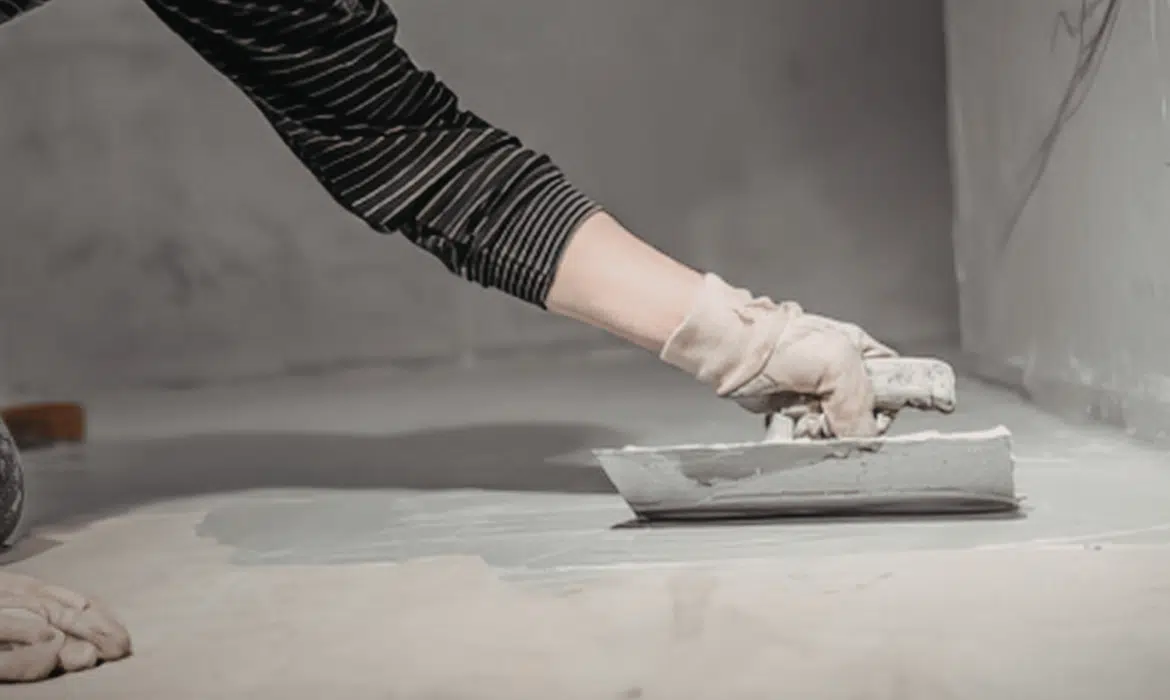
A concrete driveway is a strong and durable surface, but it still needs protection. Over time, weather, moisture, oil spills, and heavy vehicles can damage the concrete. Cracks, stains, and fading are common problems that appear when concrete is left unprotected. This is where a concrete driveway sealer becomes important.
The best concrete driveway sealer helps protect the surface from water, chemicals, stains, and harsh weather conditions. It also improves the appearance of the driveway and extends its lifespan. Choosing the right sealer can make a big difference in how long your driveway stays strong and attractive.
Why Sealing a Concrete Driveway Is Important
Concrete can be seen as hard and strong but in reality, it is porous. This means that water, oil, and other liquids can enter the surface easily. When moisture is introduced into concrete and it freezes, it expands, resulting in cracks. Over time, this undermines the driveway structure.
A concrete sealer provides a shield on the surface. This is a barrier that does not allow water, salt, oil, and chemicals to soak into the concrete. It also minimizes damage due to sunlight as well as temperature variations.
Sealing a driveway offers several benefits:
- Guarantees against water, moisture damage
- Stops oil, grease, and chemical splashes
- Minimizes cracking and abrasion
- Enhances the outlook of the concrete
- Prolongs the life of the driveway
Due to these advantages, many homeowners prefer to seal their driveway every few years.
Types of Concrete Driveway Sealers
Not all sealers are the same. Different types provide different levels of protection and appearance. Understanding these options can help you choose the best concrete driveway sealer for your needs.
Acrylic Sealers
One of the most popular choices is acrylic sealers. They are simple to use and give a protective coating which improves the appearance of the concrete. Acrylic sealers can be water-based or solvent-based formulas.
They form a thin protective layer that guards against water and UV damage. Acrylic sealers also provide the driveway with a matte or glossy surface that can enhance the look of the driveway.
They do tend to require reapplication after 2-3 years due to wear over time.
Penetrating Sealers
Penetrating sealers are not the same as surface coatings. They do not create a layer on top. Instead, they go deep into the concrete and react with the material. This provides in-house security.
These sealers are very efficient in preventing water and salt damage. They are also durable and typically, do not alter the natural appearance of the concrete.
Penetrating sealers have been viewed as one of the most suitable options where long-term protection is required, particularly where the weather is severe.
Polyurethane and Epoxy Sealers
Many types of sealers are not as strong and durable as polyurethane and epoxy sealers. They form a coating that is protective and is resistant to chemicals, stains, and abrasion.
These sealers have been widely used on garages and industrial floors; however, they can be applied on driveways. This creates a high-gloss and extremely strong finish.
Their greatest drawback is that they tend to cost more and need to be properly prepared on the surface before application.
Features to Look for in the Best Concrete Driveway Sealer
Choosing the best concrete driveway sealer depends on several important factors. A high-quality sealer should provide strong protection while being easy to apply and maintain.
The following are some of the main features to be taken into account:
Water Resistance
A good sealer must not allow water to absorb into concrete. Moisture protection will be necessary to prevent cracks and structural damage.
Stain Protection
Vehicles tend to leave oil leaks, grease, and dirt on driveways. A high quality sealer helps to prevent the absorption of such substances into the surface.
UV Protection
Concrete may fade and weaken with time due to sunlight. UV-resistant sealers are used to ensure the driveway is colorful and durable.
Durability
The best type of sealers can be used many years before they require renewal. Long-lasting sealers are cost-saving in terms of time and maintenance.
Ease of Application
A roller or sprayer is used in applying some sealers and thus it is easy for homeowners to carry out.
How to Apply a Concrete Driveway Sealer
The application of a driveway sealer is not a complex process but with correct preparation, you will have a better chance of achieving the best results.
To begin with, the driveway must be cleaned. The dirt, oil spots, and debris should be washed off and removed prior to sealing. The surface can be washed using a pressure washer.
The second step is to ensure that the concrete is dry and without moisture before applying the sealer. The sealer cannot bond well in the presence of moisture in the surface.
After the surface is prepared, then sealer may be applied with a roller, brush, or sprayer. The sealer should also be applied consistently on the driveway to prevent streakiness or patchy application.
The driveway must dry for at least 24 hours after application, and during so, vehicles should not be kept on the surface.
How Often Should You Seal a Concrete Driveway?
The frequency of sealing depends on the type of sealer used and the conditions the driveway experiences.
- Acrylic sealers have a life span of 2-3 years
- Penetrating sealers have durations of 5 years plus
- Polyurethane or epoxy and can last up to 10 years
Regular inspection of your driveway can help determine when resealing is needed. If water no longer beads on the surface, or stains start appearing easily, it may be time to apply a new coat.