
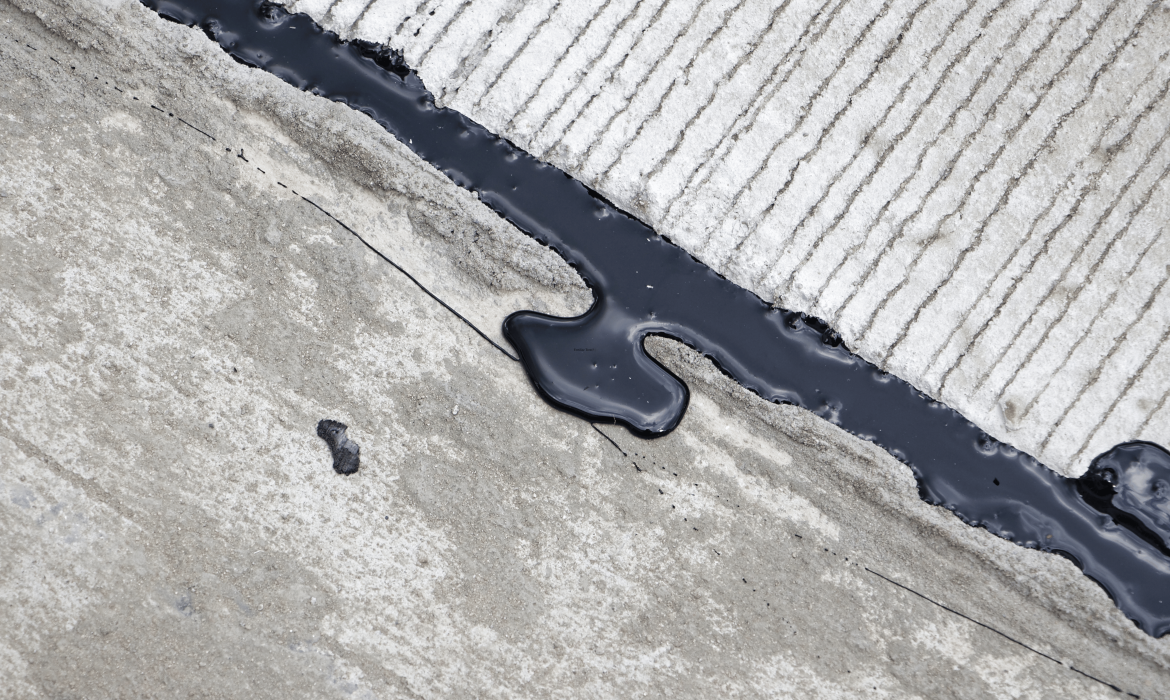
Sealing your concrete driveway is one of the best ways to protect your investment and keep it looking clean and attractive for years. A high-quality concrete sealer shields the surface from water damage, oil stains, UV rays, and harsh weather conditions. Whether you are a homeowner looking to improve curb appeal or trying to extend the life of your driveway, learning how to seal a concrete driveway is a smart and cost-effective project.
In this guide, you’ll learn why sealing is important, when to do it, and the exact steps to apply concrete driveway sealer the right way.
Why Sealing a Concrete Driveway Is Important
Concrete might have the appearance of being strong and solid, yet it is porous. This implies that water, oil, chemicals and dirt can trickle down the surface. This may eventually result in cracks, stains, discolouration and surface damage.
Here are the main benefits of sealing your concrete driveway:
Prevents water damage: Water may freeze and widen inside the concrete to form cracks.
Protects against oil and grease stains: A coated surface is simpler to clean.
Improves performance: Sealer gives a clean and finished look and improves the color.
Extends driveway lifespan: Weather and wear protection minimizes the amount of damage in the long run.
Reduces maintenance costs: Sealed driveways incur less maintenance.
In the majority of cases, it is suggested by experts to seal an existing concrete driveway after every 2-3 years depending on the climate and traffic.
When Is the Best Time to Seal a Concrete Driveway?
Timing is important for the best results.
- The new concrete driveways are supposed to dry at least 28 days before sealing.
- When the temperature ranges between 50degF to 85degF, existing driveways are to be sealed.
- Select a day that does not have a forecast of rain for more than 24 hours.
- It should not be sealed in direct and intense sunlight.
- Spring and early fall are usually the best seasons for sealing a driveway.
Tools and Materials You Will Need
Before starting the project, gather the necessary supplies:
- Concrete driveway sealer (solvent based) Concrete driveway sealer (water based)
- Pressure washer/garden hose.
- Concrete cleaner/ degreaser.
- Stiff-bristle broom.
- Crack filler or patch concrete.
- Roller or sprayer of paint that has a long extension pole.
- Safety glasses and protective gloves.
It is significant to pick an appropriate concrete sealer. Penetrating sealers are used to prevent moisture without altering the appearance whereas acrylic sealers are used to give a glossy or matte appearance and also to add beauty.
Step-by-Step Guide: How to Seal a Concrete Driveway
These are the easy steps to follow and make your concrete driveway airtight.
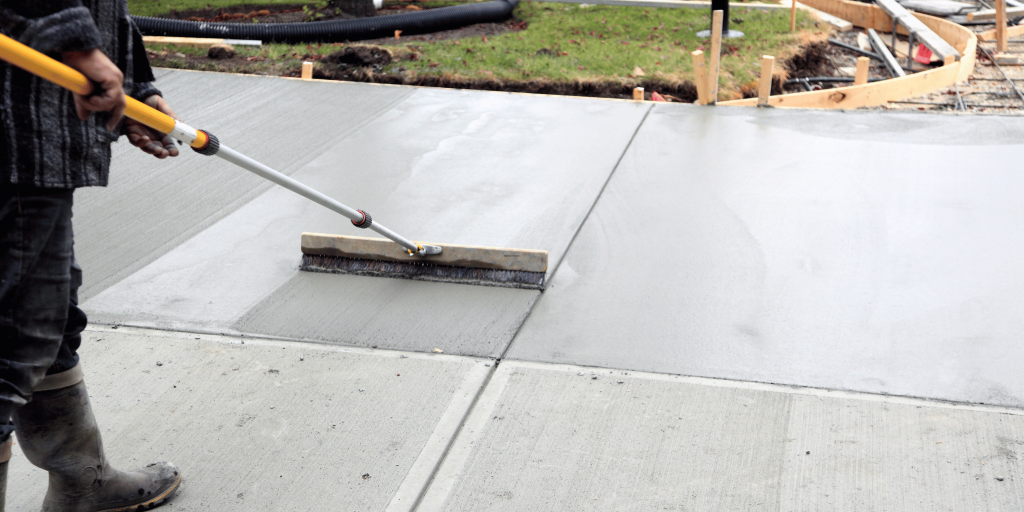
Clean the Driveway Thoroughly
A clean surface is essential for proper adhesion.
Begin by sweeping away dirt, leaves and rubbish using a broom. Then coat with a concrete cleaner or degreaser to get the oil and grease stains off. Wipe rough areas using a rigidly-bristled brush.
Turn on a pressure washer and use it to wash out the whole driveway. This eliminates the deep dirt and cleaning solution. Ensure that the driveway is fully dry at least after 24 hours before the application of sealer.
If moisture remains trapped in the concrete, the sealer may not bond correctly.
Repair Cracks and Damage
Check the driveway on cracks, holes or damages.
Small cracks should be filled using concrete crack filler. In the case of bigger holes, use a concrete patch product as per the instructions of manufacturers. Rub over the places that have been repaired and make sure they are dry.
Covering damaged concrete without repairing it may cause problems even in the future.
Apply the Concrete Sealer
When the surface is dry, then you are ready to apply the sealer.
Before using it, stir the sealer. Shaking should be avoided, and this may form bubbles.
You can apply concrete driveway sealer using a roller or a sprayer:
Using a roller: Dip the sealer in a paint tray and apply with thin and smooth layers.
Using a sprayer: Covers quicker and gives a smooth and even finish.
Apply sealer in small portions and evenly. Thick layers or puddles should also be avoided and this may cause peeling or uneven drying.
The majority of driveways are supposed to be covered with two thin layers. Before applying the second coat, the first coat has to dry. The drying process takes different hours but most drying processes take 4-12 hours.
Allow Proper Drying Time
Once the last coating is put, ensure that the driveway is fully dry.
- Wait not less than 24 hours before walking on the surface.
- Allow 48-72 hours to dry up on it.
Curing is done in a proper way so that it is as durable as possible.
Tips for Best Results
To get professional-quality results when sealing your concrete driveway, keep these tips in mind:
- Use thin coats instead of thick coats.
- Sealing a wet or a damp surface is not recommended.
- Test the weather thoroughly.
- Install the instructions of the manufacturer.
- First test the sealer on a little area.
- Rushing the preparation process also matters a lot to the end outcome.
Common Mistakes to Avoid
Most of the homeowners commit easy errors during sealing of a driveway.
Avoid these common problems:
Skipping cleaning: Dust does not allow sticking properly.
Sealing too often: It is used too frequently and may become clogged.
Applying in extreme temperatures: This influences the curing.
Using the wrong sealer type: Select one that is to be used on exterior concrete.
When the surface is cloudy or peeling it is possible that it is because of moisture or excessive application.
How Long Does Concrete Driveway Sealer Last?
The lifespan of a concrete driveway sealer depends on several factors:
- Type of sealer used
- Weather conditions
- Amount of traffic
- Quality of application
The majority of sealers have a life span of 2-3 years on average. Driveways that have heavy traffic or severe weather conditions might need to be resealed more often.
To determine whether your driveway requires resealing or not, sprinkling water on the surface will do the trick. When the water does not bead up and the water absorbs fast it is time to apply another coat.