
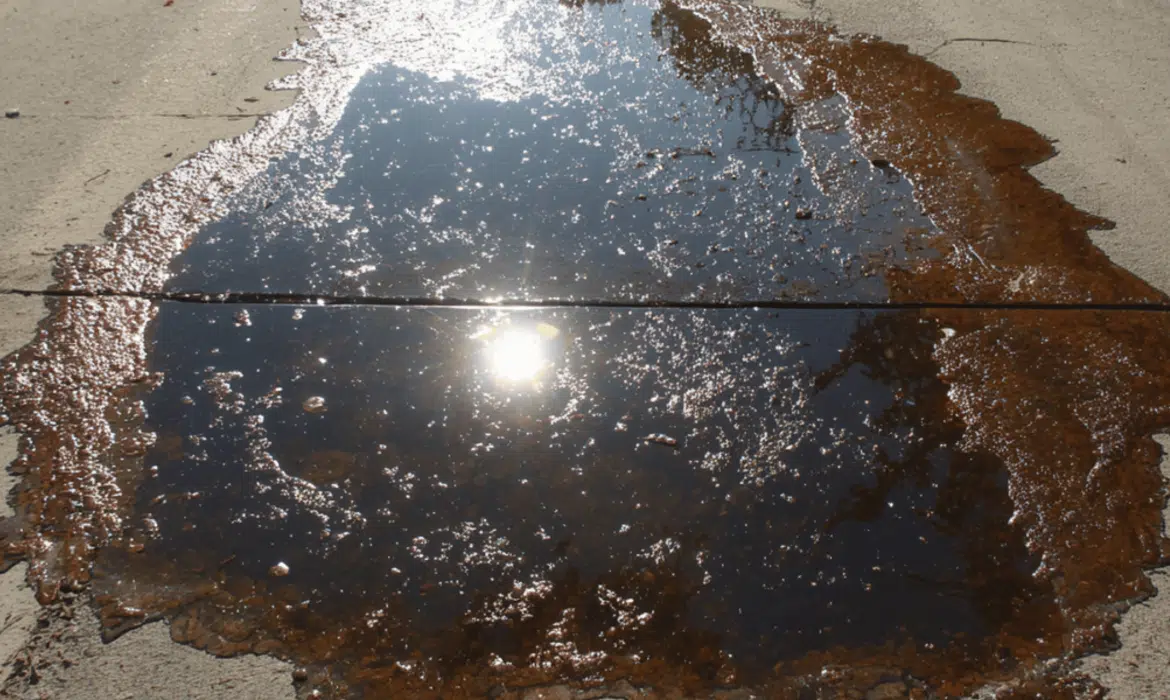
Oil stains on a block paving driveway are a common problem for homeowners. Whether the stain comes from a leaking car, lawn equipment, or accidental spills, oil can quickly soak into the porous surface of paving blocks and create unsightly dark patches. If left untreated, these stains can become harder to remove over time.
The good news is that with the right techniques and cleaning products, you can effectively remove oil from a block paving driveway and restore its appearance. This guide explains simple and effective methods that work well for both fresh and older stains.
Why Oil Stains Are Difficult to Remove
Block paving is a product of concrete or clay materials which have small pores. When oil spills on the surface, it leaks into these minute pockets and attaches itself to the substance. Due to such absorption, the stain is hard to remove by simply rinsing with water.
The longer the oil stays in the driveway, the more it penetrates the blocks. This is why one should move swiftly whenever spillage happens. Nevertheless, the right cleaning process may be used to treat even older stains.
Step 1: Absorb Fresh Oil Immediately
If an oil spill is new, the initial move will be to absorb as much as possible before it sips into the paving blocks.
Common absorbent materials that you could use are:
- Cat litter
- Baking soda
- Sawdust
- Cornstarch
Spread a generous amount of the absorbent material over the stain and let it sit for at least 30 minutes. For larger spills, leaving it overnight can help draw out more oil. Afterward, sweep up the material and dispose of it properly.
This measure will minimize the amount of oil that will seep deeper into the paving.
Step 2: Scrub the Area with Dish Soap
Dish soap is made to dissolve grease and oil, and therefore, it is easy and convenient to use in removing oil stains on the driveway.
Begin by adding a little grease-cutting dish soap onto the spot. Then add hot water and cleanse with a stiff bristled brush. Apply the soap on the surface using circular movements.
Let the wet solution rest on the spot of the stain between 10 to 15 minutes. Then rinse the site with plenty of water. This technique, in most instances, removes light or mid-level oil stains.
For stubborn spots, you may need to repeat the process several times.
Step 3: Use a Baking Soda Paste for Deeper Stains
If the stain is still left after using dish soap, baking soda may be used to add more cleaning power. Baking soda acts as a light abrasive, and is also an absorbent substance that assists in extracting oil on the paving surface.
To make a cleaning paste:
- Combine a little water with baking soda.
- Mix until it becomes a thick paste.
- Apply paste on the oil stain.
Allow the paste to dry on the driveway for 30 minutes to an hour. Then wipe using a strong brush wet with water.
This technique is effective for those stains that have begun to settle in the paving blocks and are not very old.
Step 4: Apply a Commercial Degreaser
A commercial driveway degreaser can be required where oil stains are old or heavy. These products are specially designed to dissolve petroleum-based stains which might not be completely removed by household cleaners.
When using a degreaser:
- Use the cleaner on top of the stain.
- Let it rest within the stipulated time.
- Wipe the space using a strong brush.
- Rinse with water.
Some degreasers may require multiple applications for deep stains. Always test the product on a small, hidden section of the driveway first to ensure it does not affect the color of the paving.
Step 5: Pressure Wash the Driveway
Pressure washing can also be done to eliminate the residue of oil and dirt on the paving after applying cleaning solutions.
Use medium pressure to prevent breaking the blocks. It is important that the pressure washer nozzle be held at a low angle and moved across the stained surface evenly.
Pressure washing does not only enhance the removal of the stains but also makes the driveway look fresh.
Tips to Prevent Future Oil Stains
The prevention of oil stains is less difficult than their removal. There are some basic maintenance habits that will ensure your block paving driveway remains in a good state.
Seal the paving: The use of a quality block paving sealer forms a protective layer that will lessen the absorption of oil.
Fix vehicle leaks: Check your car regularly for leaks, and fix them within minutes.
Clean spills immediately: The sooner you treat an oil spill, the simpler it is to clean up.
Use drip trays: Install drip trays under vehicles that are known to leak in order to protect your driveway surface.